

If there is one dish that accompanies Koreans through every high and low of their daily lives, it is undoubtedly Ramyun (Korean instant noodles). While it may appear to the rest of the world as just a quick and easy instant meal, for Koreans, Ramyun is more than just food—it is a “soul food” that carries deep emotional weight and nostalgia.
It is the warm broth that comforts you late at night after a grueling day, a reliable companion for students pulling all-nighters, and a quick, satisfying meal for those working hard outdoors. Beyond that, it is the ultimate “healing food” shared with friends around a campfire.
From the nostalgic memories held in the yellow nickel-silver pots of the 1980s to the global sensation of today’s “Fire Noodle Challenge,” Ramyun has transformed from a cheap hunger-fix into a definitive cultural icon that represents Korea.
In this guide, we invite you to look behind the rising steam and discover the stories hidden within. Let’s explore why this spicy, savory bowl is much more than just a noodle dish—and why it has become such a source of warm comfort for all of us.
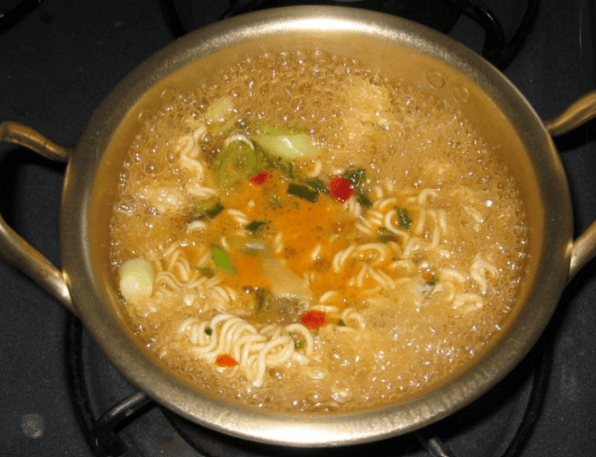
1. Top 5 Iconic Korean Ramyun Brands
Stepping into the ramyun aisle of a Korean grocery store or a convenience store can be overwhelming, as you’ll find yourself surrounded by hundreds of different types. But don’t worry! If you get to know these “top 5 iconic brands” that every Korean loves and that have captured the taste buds of people worldwide, you’re already a ramyun expert.
In addition, we’ll introduce some unique, specialty ramyun that are local favorites in Korea.
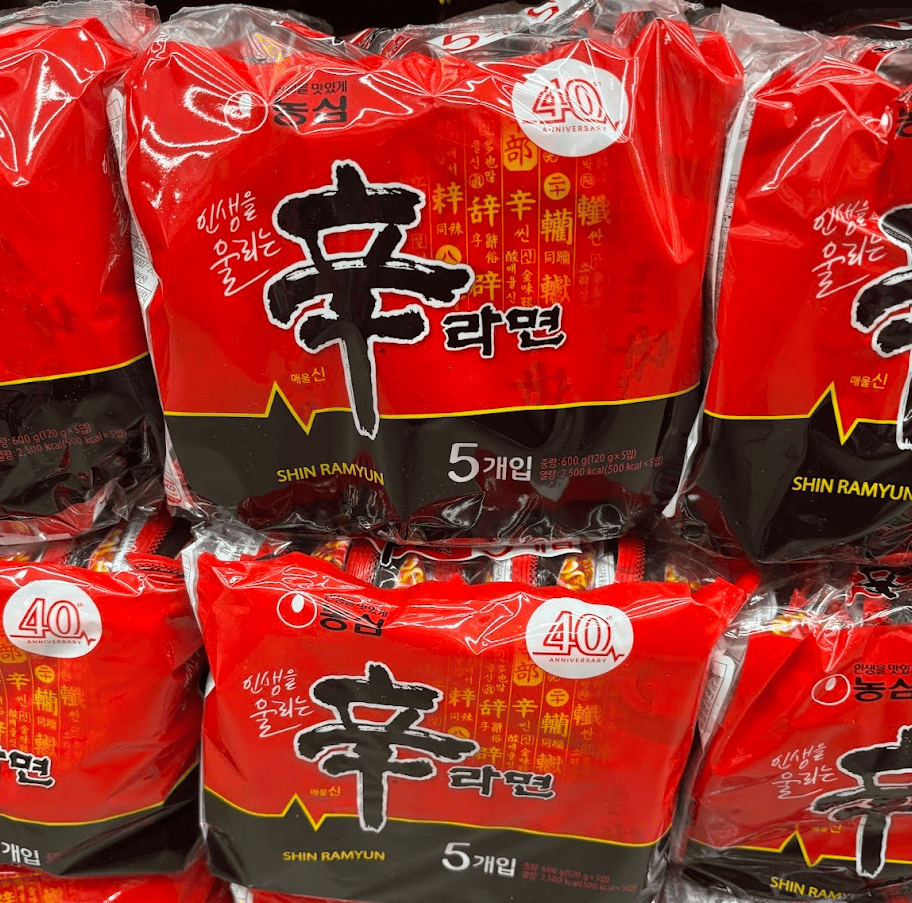
1) Shin Ramyun – ‘The Gold Standard of Korean Ramyun’
Key Features: It is the undisputed #1 best-selling ramyun in Korea. With its deep and rich beef broth base, it serves as the definitive standard for the “deliciously spicy” flavor that Koreans love most.
The Appeal: The chewy noodles and large chunks of shiitake mushrooms are a perfect match. It is the most trusted flavor you can find anywhere in Korea,
2) Buldak Bokkeum-myeon: The Global ‘Fire Noodle Challenge’ Sensation
Key Features: A broth-less, stir-fry style noodle that symbolizes “extreme spiciness.” It has built a massive global fandom through the viral “Fire Noodle Challenge” on YouTube.
The Appeal: It’s not just about the heat; it’s famous for its addictive, savory “umami” flavor. With various versions like Cheese, Carbonara, and Rosé, there’s an option for everyone—from spice beginners to true heat seekers.


3) Jin Ramyun: The Joy of Choosing Your Perfect Level
Key Features: By offering two distinct options—”Mild” and “Spicy”—it serves as a fantastic alternative for those who find traditional Korean ramyun a bit too hot.
The Appeal: Its savory and deep broth is not overly stimulating, allowing it to pair perfectly with various toppings like eggs, green onions, and rice cakes (tteok).
Global Fame: This ramyun gained even more worldwide popularity after Jin of BTS became its official model, sparking a global sensation among fans!


4) Chapagetti: A Modern Reinterpretation of Korean Jjajangmyeon
Key Features: This product recreates “Jjajangmyeon,” one of Korea’s most popular dining-out dishes, in a convenient ramyun format. It is a stir-fry style noodle famous for the savory and salty flavor of roasted black bean sauce (Chunjang).
The Appeal: It gained worldwide fame as the star of “Jjapaguri” (Ram-don) from the Oscar-winning movie Parasite. Since it has zero spice, it is the absolute best choice for those who cannot handle any heat at all.
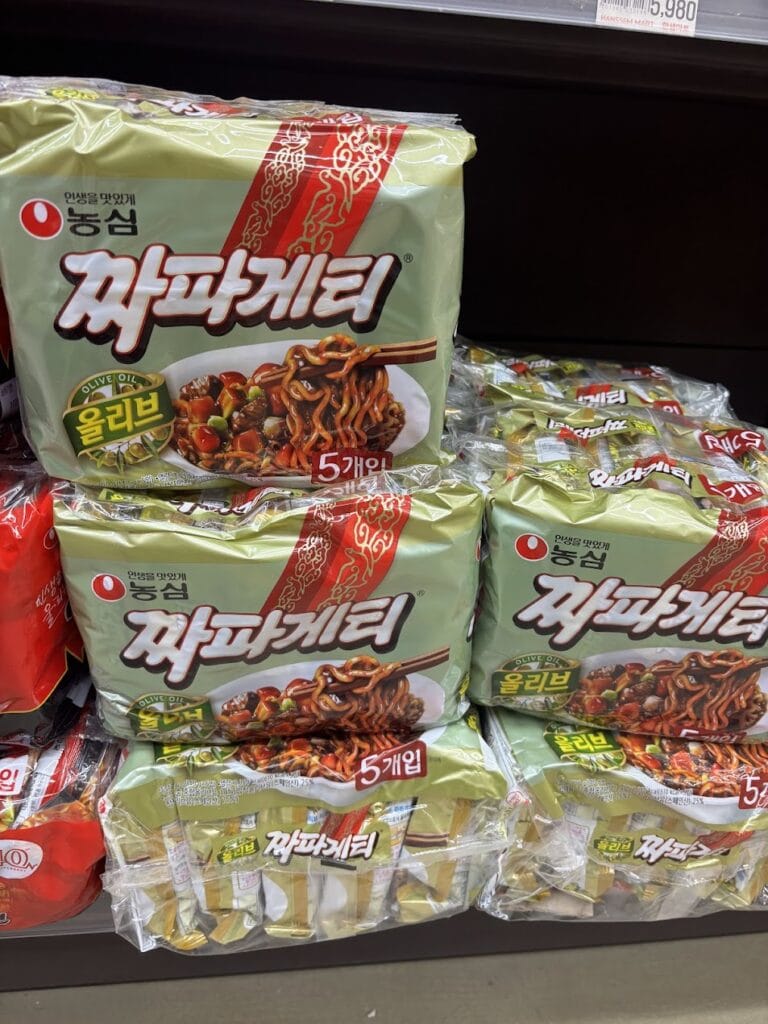

Jjapaguri
5) Neoguri: Thick, Chewy Noodles with a Splash of the Sea
Key Features: It is characterized by its udon-style noodles, which are much thicker and plumper than standard ramyun. Each pack contains a real piece of dried kelp (dashima), creating a deep and authentic seafood broth.
The Appeal: The harmony between the chewy, mouth-filling texture of the noodles and the refreshing seafood soup offers a one-of-a-kind experience that no other ramyun can replicate.

6) Popular Unique & Specialty Ramyun
Shin Ramyun Stir-fry
This is a stir-fried version of the classic Shin Ramyun. It features the same signature spicy beef base but is prepared without the broth, offering a concentrated burst of flavor in every bite.

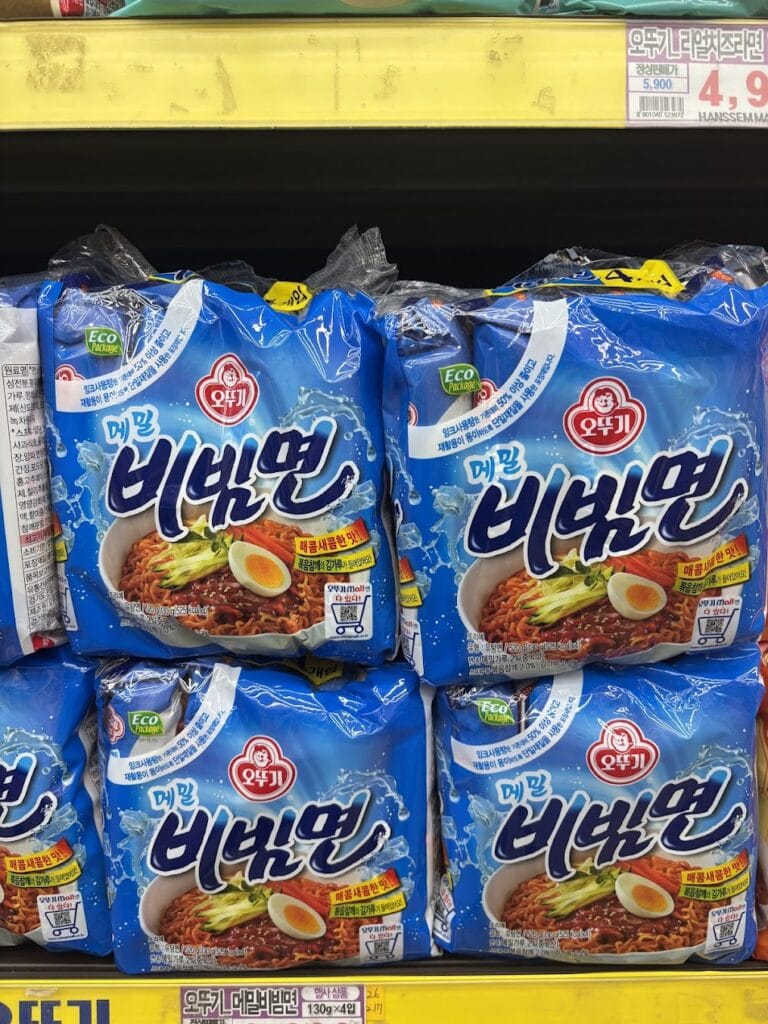
Bibim-myeon: Spicy, Sweet, and Refreshingly Cold Noodles
Unlike traditional hot ramyun, Bibim-myeon is a cold noodle dish. The noodles are boiled, rinsed in ice-cold water to keep them chewy, and then mixed with a vibrant spicy and sweet sauce.
Spaghetti Ramyun: A Nostalgic Convenience Store Classic
This is a stir-fry style noodle dish enjoyed without broth. It is a legendary “soul food” that receives absolute support from Korean students and soldiers, evoking fond memories of quick, tasty meals.
While different from authentic Italian pasta, it offers a unique, addictive taste that captures the distinct vibe of Korean convenience stores—sweet, tangy, and topped with a savory cheese powder.

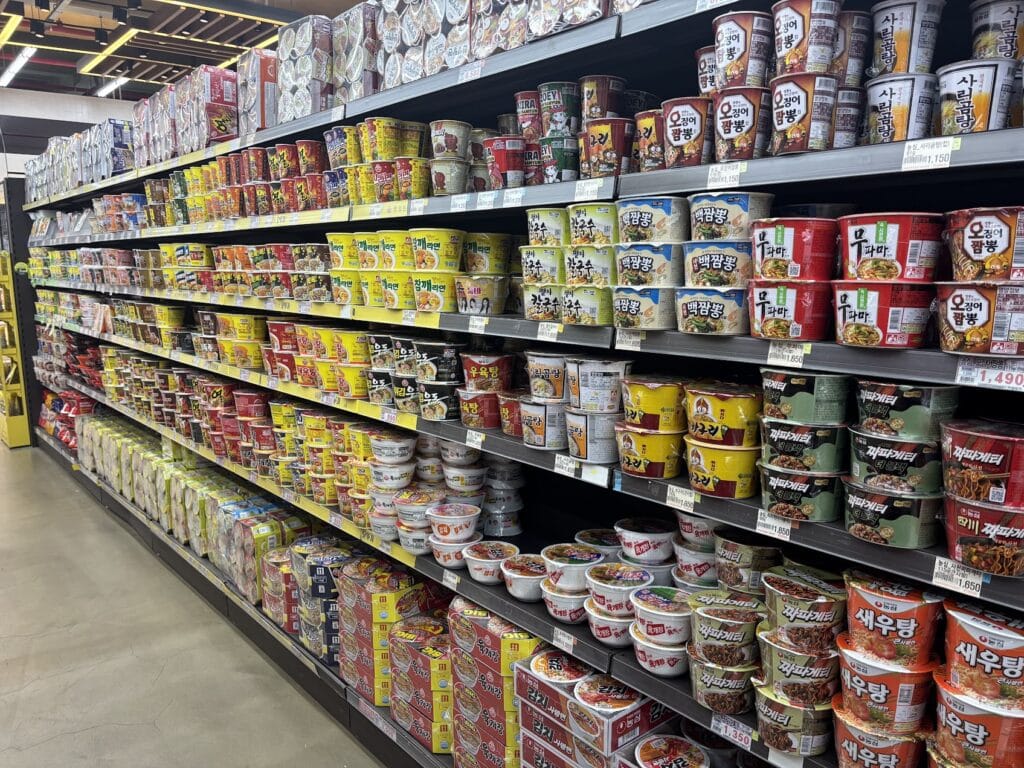
7) A Vast Array of Cup Noodles
The Ultimate Convenience: Optimized for a Fast-Paced Life
Korean cup noodles boast “the ultimate convenience,” perfectly optimized for the busy lives of modern people. Beyond just cooking quickly, they are packed with thoughtful, uniquely Korean ideas hidden in every detail.
3-Minute Magic (Ultra-Simple Cooking): No need for extra bowls or pots. Just pour hot water, and your meal is ready in 3 to 4 minutes.
Smart Drainage (Safe & Easy): For stir-fry or cold noodles, the lids come with a “Smart Tap.” This allows you to drain the hot water safely and easily without the risk of steam burns.
24/7 Convenience Infrastructure: Anywhere in Korea, 24-hour convenience stores are always ready with hot water, chopsticks, and seating areas. You can also grab sides like Kimchi, pickled radish, or cheese to create the perfect meal.
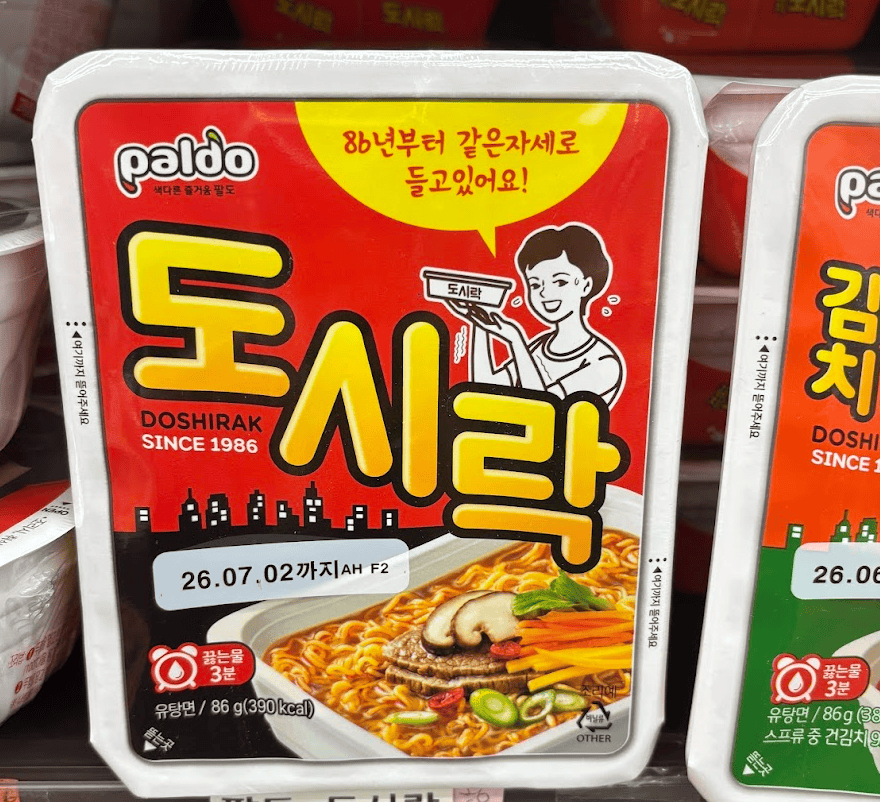
Fun Fact: The “National Dish” of Russia, Doshirak
In Russia, Korea’s “Doshirak” ramyun is far more than just an imported food; it is treated as a “national dish” with a market share of over 60%. Its status is so legendary that the word “Doshirak” has become a generic term used by Russians to refer to any cup noodles, much like how “Kleenex” is used for tissues.
2. Understanding the Scoville Scale: How Spicy is it, Exactly?
Are you eager to try Korean ramyun but worried it might be too spicy? While Koreans find the “kick” of spice enjoyable, we understand it can be a major challenge for those who aren’t used to it. To help you find the ramyun that perfectly matches your taste buds, we’ve compared popular brands using the Scoville Heat Unit (SHU), the standard measure of spiciness.
🔥 Korean Ramyun Spicy Rating Chart (Based on SHU)
1) Haek-Buldak: Nuclear Fire Noodle Challenge
Spiciness Level: Extreme / SHU (Scoville Heat Units): About 10,000 / A thrill like swallowing molten lava!
2) Buldak (Original): The Ultimate Heat Challenge
Spiciness Level: High / SHU (Scoville Heat Units): About 4,400/ The Gold Standard of the Korean Spicy Challenge
3) Shin Ramyun: The Gold Standard of Korean Ramyun
Spiciness Level: Medium/ SHU (Scoville Heat Units): About 3,400/ The Standard Spice Level Preferred by Koreans
4) Jin Ramyun: The Spicy Classic
Spiciness Level: Mild-Spicy/ SHU (Scoville Heat Units): About 2,000/ A pleasant, light sweat
5) Jin Ramyun (Mild): A Gentle & Savory Choice
Spiciness Level: Very Mild/ SHU (Scoville Heat Units): About 600/ A savory, deep flavor that even kids can enjoy
💡 Pro Tips for Spice Beginners: How to Tame the Heat
Did you take a bite and feel like your mouth is on fire? Don’t panic! Try adding these ingredients to balance out the spice:
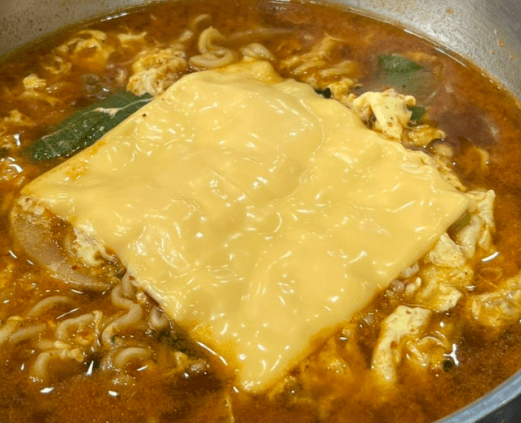
- Cheese: Adding a slice of Cheddar or a sprinkle of Mozzarella makes the flavor much creamier and smoother while adding a delicious savory richness.
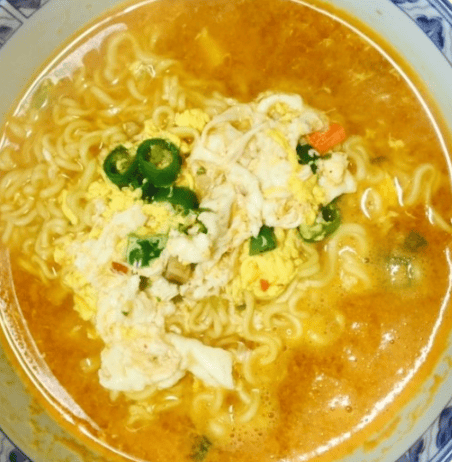
- Egg: Whisking an egg into the boiling broth thickens the soup and naturally neutralizes the intense spiciness.
- Milk or Mayo: For stir-fry noodles (like Buldak), try boiling them in milk instead of water, or mix in a bit of mayonnaise at the end. You’ll be surprised at how incredibly creamy and mild it becomes!
- Rice: Mixing rice into the leftover broth is the “Golden Rule” in Korea. The natural sweetness of the rice helps offset the heat, providing the perfect, satisfying finish to your meal.
3. The Art of “Modisumer”: Viral Recipes
Beyond the Instructions: The Creative World of “Modisumers”
Koreans don’t just follow the instructions on the back of the package. There is a deeply rooted culture of the “Modisumer”—a creative trend where consumers reinvent products in their own way.
The term “Modisumer” is a combination of the words “Modify” and “Consumer.” It refers to people who create entirely new flavors by mixing different types of ramyun together or adding unique, unexpected ingredients. Here are some of the most iconic “K-Ramyun Mashups” that have taken the internet by storm.
1) Jjapaguri (Ram-don): The Star of the Movie ‘Parasite’
This is the most famous ramyun mashup in Korea. It is a creative blend of “Chapagetti” (a savory black bean noodle) and “Neoguri” (a spicy seafood noodle with thick, chewy strands).
- Flavor Profile: The sweet and salty black bean sauce harmonizes perfectly with the spicy seafood kick from the Neoguri, creating a fantastic “sweet-salty-spicy” balance.
- Pro Tip: As seen in the movie, topping it with grilled steak (sirloin) instantly transforms this humble instant noodle dish into a gourmet meal.

Jjapaguri(Chapagetti+Neoguri)
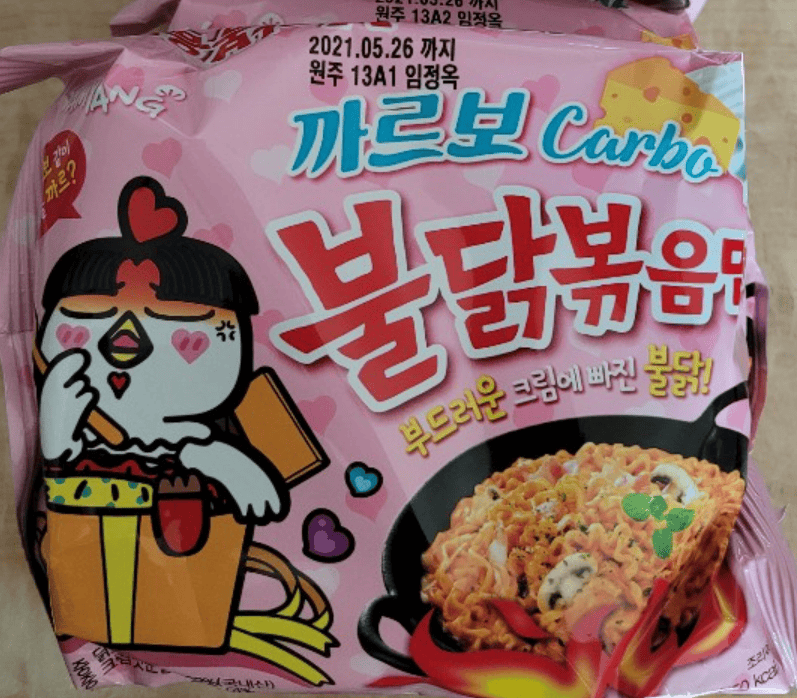
2) Buldak Carbonara (The Creamy Buldak): A Gentle & Spicy Delight
If the extreme heat of the original “Buldak (Fire Chicken Noodles)” feels a bit too intimidating, try adding a silky, creamy twist.
Flavor Profile: The fiery spice meets smooth cream to create a rich, “Rosé pasta” style flavor. It’s thick, savory, and has become one of the most beloved recipes among fans worldwide.
The Recipe: When cooking the noodles, leave a small amount of water and stir-fry them with a generous amount of milk and cheese.

Buldak Carbonara
3) K-Army Stew Ramen (Budae-jjigae Style): A Hearty & Satisfying Meal
When a single pack of ramyun doesn’t feel like enough, try incorporating the flavors of Korea’s famous “Budae-jjigae” (Army Base Stew).
By the way, there are actually pre-packaged “Budae-jjigae” ramyun products available. However, since they usually contain only a tiny amount of ham, I highly recommend making your own at home by adding fresh ingredients for a much more authentic and satisfying taste.
Flavor Profile: The rich oils and savory juices from the ham and sausages seep into the broth, creating a much deeper and more complex flavor. It is widely considered the best ramyun combination for mixing with a bowl of rice at the end.
The Recipe: Take a standard spicy ramyun (like Shin Ramyun or Jin Ramyun) and add Spam, sausages, baked beans, and a slice of Cheddar cheese while boiling.

4. How to Cook Like a Korean Pro
Mastering the Art: Secret Tips for the “Perfect” Ramyun
Anyone can boil ramyun, but Koreans have hidden know-how when it comes to crafting the “perfect” bowl. Here are the professional techniques that will upgrade your ordinary instant noodles into a gourmet dish.
Today, I’m making “Yeol Ramyun”—a cult favorite in Korea, especially beloved by those who crave a serious spicy kick.
1) The Aesthetics of Water and Order: Small Details, Big Difference
- Precision in Water: The most important rule is following the recommended 500–550ml of water as stated on the package. (If you don’t have a measuring cup, a standard 500ml water bottle is your best friend!)
- Noodles First or Soup Base First?: This is a legendary debate among Koreans. However, many “pros” prefer putting the soup base and dried flakes in first. This slightly raises the boiling point, allowing the noodles to cook faster at a higher temperature. It also ensures the flavor deeply infuses into every strand of noodle.
- The Pro’s Touch: Personally, I love adding a single mandu (dumpling) like I’m doing today. And if you’re a true spice seeker, a sprinkle of extra chili powder (gochugaru) will take the heat to the next level!


2) The “Air Shower”: For the Ultimate Chewy Texture
The Science Behind It: As the hot noodles meet the cool air, they instantly contract. This “shock” prevents the noodles from getting soggy and keeps them springy and chewy (taenggeul-taenggeul) until your very last bite.
Aeration Technique: While the noodles are cooking, use your chopsticks to lift them high into the air and then drop them back into the boiling broth. Repeat this process several times.
3) The “Final One Minute”: Ingredients That Define the Flavor
Koreans rarely eat ramyun exactly as it comes; we always add our own signature “kick” at the very end.
A Drop of Vinegar: This is a true pro tip! Adding just two or three drops of vinegar after turning off the heat makes the savory flavors “explode” and adds an extra layer of springiness to the noodles.
Green Onions and Garlic: Adding chopped green onions and half a tablespoon of minced garlic removes the “instant” aftertaste and adds a deep, rich aroma to the broth.
The Secret to Adding Eggs: Don’t stir the egg right away! Wait for the whites to set naturally. This prevents the broth from becoming cloudy and keeps the soup tasting clean and sharp.


“It looks like more water than your average ramyun recipe, right? I prefer a milder taste, so I always add a little extra water”
4) The Ultimate Finish: “Cold Rice” (Chan-bap)
After finishing the noodles, try mixing a bowl of “Cold Rice” into the remaining broth instead of freshly cooked warm rice.
Because cold rice has less moisture, it acts like a sponge, absorbing the savory broth much better than warm rice. This makes it the perfect partner to fully experience the rich, deep flavors of the ramyun soup until the very last drop.
5. The Best Places to Enjoy Ramyun in Korea: Where Does It Taste Best?
Beyond Your Kitchen: Top Ramyun Spots You Can’t Miss in Korea
While Korean ramyun is delicious when cooked at home, the flavor and atmosphere are truly elevated when enjoyed at specific locations. If you’re traveling in Korea, here are the “Ramyun Holy Sites” that you absolutely cannot miss for the ultimate experience.
1) Han River Park (Han River Ramyun) – Pure Romance in a Bowl
Eating ramyun by the Han River is often ranked as the #1 bucket list experience for travelers in Korea. At the convenience stores along the river, you’ll find a “magical” machine known as the Instant Ramyun Cooker.
- The Features: Simply place your noodles and soup base into a special paper bowl, press a button, and the machine handles everything. It measures the perfect amount of water and boils it to perfection with precise timing.
- The Charm: Sitting on a picnic mat, gazing at the open river while enjoying hot ramyun is more romantic and delicious than any fine dining meal. In Korea, “Han River Ramyun” has become a proper noun, symbolizing this iconic and must-try experience.

Instant Ramyun Cooker

2) Bunsik-jip (Local Snack Bars) – The Power of High-Heat Cooking
Found on almost every street corner and alleyway in Korea, “Bunsik-jip” is home to ramyun experts who have been perfecting the art of boiling noodles for decades.
- The Features: Using much stronger burners than a typical home stove, these experts cook the ramyun in a flash. This high-heat method results in a level of noodle springiness that is simply on another level.
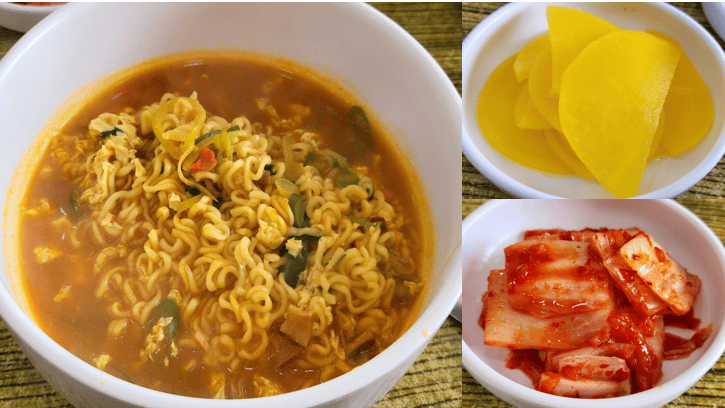
- The Charm: You’ll find a diverse menu, from Cheese Ramyun and Jjamppong (Spicy Seafood) Ramyun to Mandu (Dumpling) Ramyun. The harmony between the hot noodles and the side of crunchy yellow pickled radish or well-fermented kimchi is top-tier.
- The Ultimate Combo: For the standard Korean meal set, pair your ramyun with a roll of “Tuna Kimbap.” (For more details, check out my previous post on [Kimbap]!)

3) Self-Service Ramyun Cafes (Muin Ramyun) – Your 24/7 Noodle Playground
These are unmanned, 24-hour shops popping up all over Korea. Equipped with a vast selection of ramyun and instant cooking machines, they allow you to cook any ramyun your heart desires on the spot.
The Charm: Most locations feature a topping bar where you can add bean sprouts, fish cakes, rice cakes, or extra chili powder—often for free or at a very low price. This is the best place to put your “Modisumer” recipes to the test in real life!
The Features: Walls are lined with dozens of different ramyun brands and flavors. It feels less like a convenience store and more like a “Ramyun Museum.”


6. Conclusion: Join the K-Ramyun World!
Mastering the Art of Korean Ramyun: Your Noodle Journey Begins
From iconic brands and secret cooking tips to the romantic experience of eating by the Han River, we’ve explored everything there is to know. You are now more than just an observer—you’re ready to become a true “Ramyun Master.”
In Korea, ramyun is about so much more than just a quick meal. It represents “Jeong” (Affection)—the warmth shared with loved ones—and it serves as a small, comforting gift to oneself at the end of a long, tiring day. Whether you’re visiting Korea or simply picking up a pack from your local market, I hope you feel the warmth and comfort tucked inside every bowl.
Which ramyun are you most excited to try? Or do you have a secret recipe of your own? Share your ramyun stories with us in the comments below!
#KoreanRamyun #KRamyun #FindYourKorea #KoreanFood #NoodleLovers #InstantNoodles #RamenRecipe #HanRiverRamen #HanRiverPark #Bunsikjip #Modisumer #KFoodCulture #SeoulFoodie #TravelKorea #Ramdon #Jjapaguri #BuldakCarbonara #SpiceBeginners #CookingTips