
Types
Kimchi comes in over 300 varieties depending on ingredients like napa cabbage, radish, green onions, cucumbers, and regional differences. Representative types include napa cabbage kimchi, kkakdugi, young radish kimchi, young mustard greens kimchi, cucumber kimchi, and white kimchi.
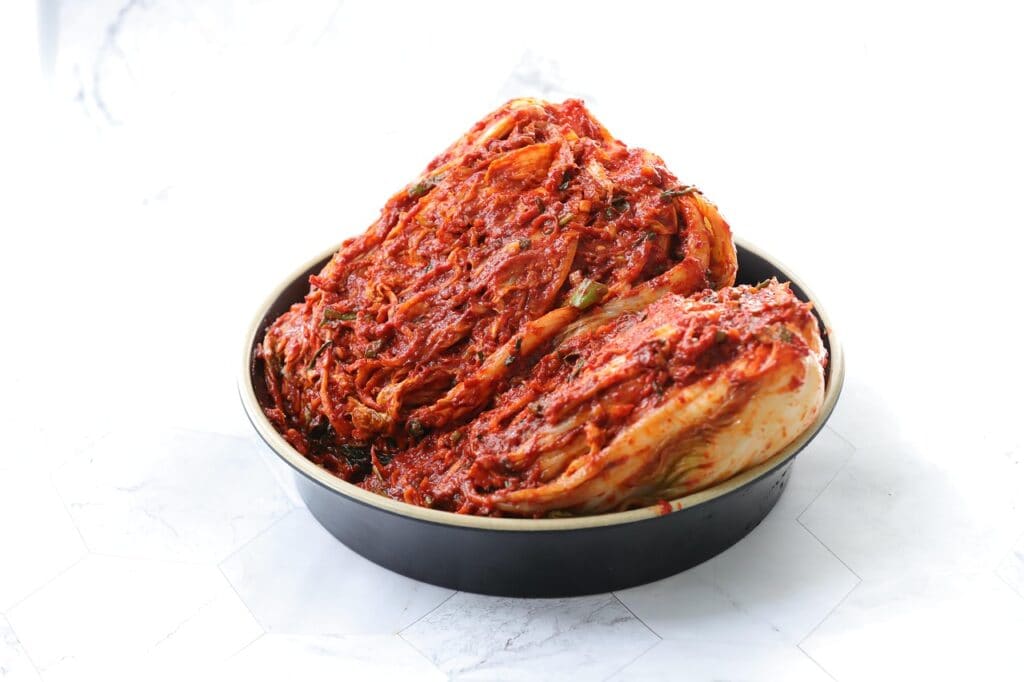
Napa Cabbage Kimchi
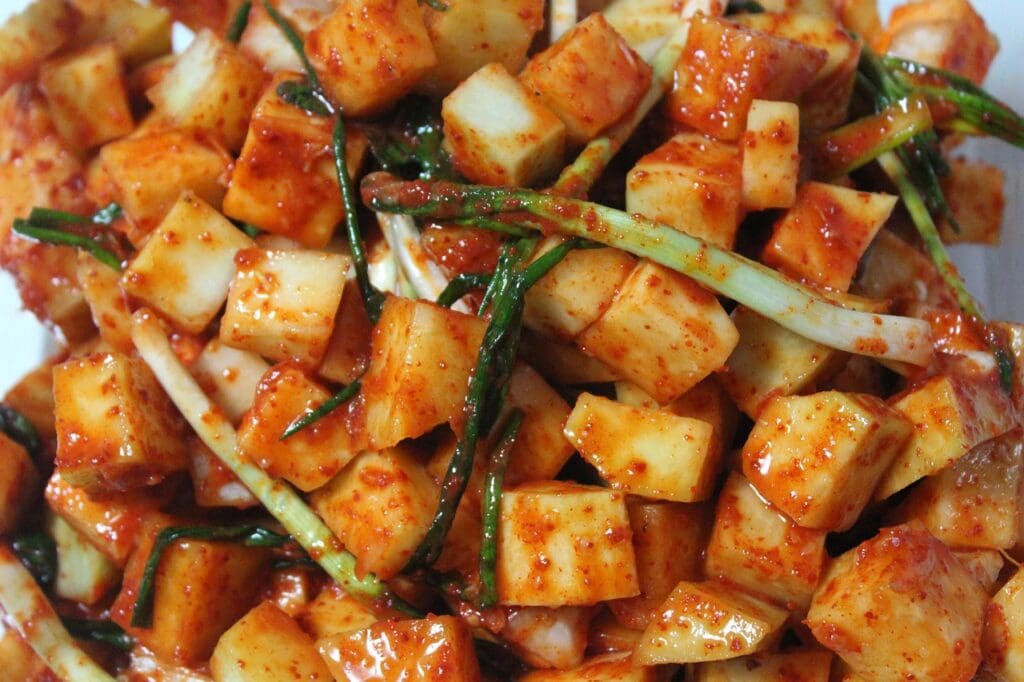
Kkakdugi Kimchi

Young Radish Kimchi
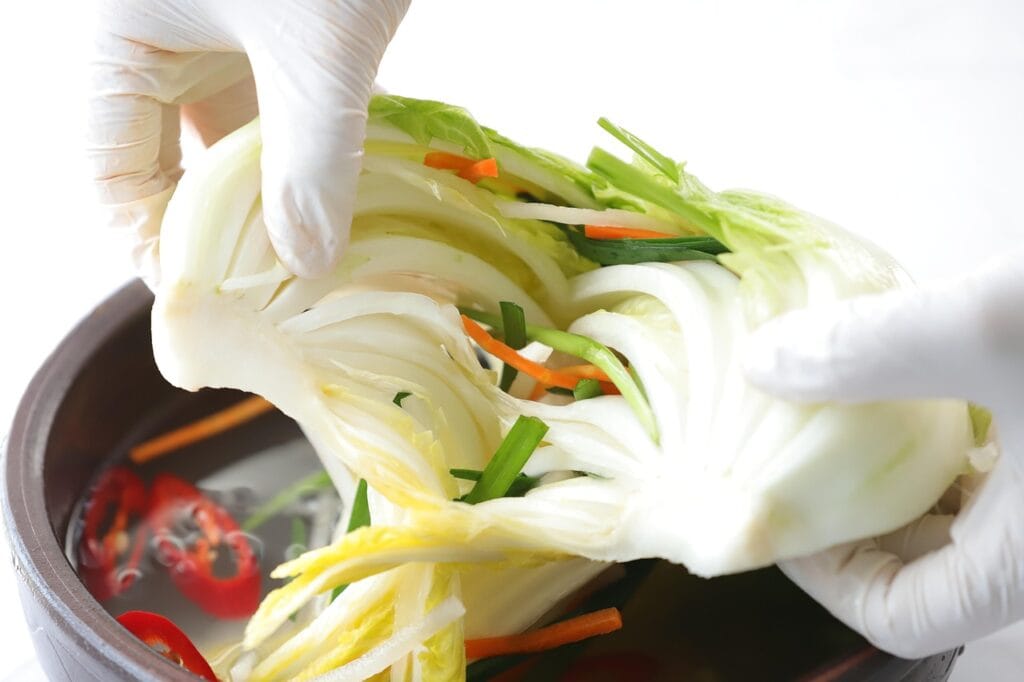
White Kimchi
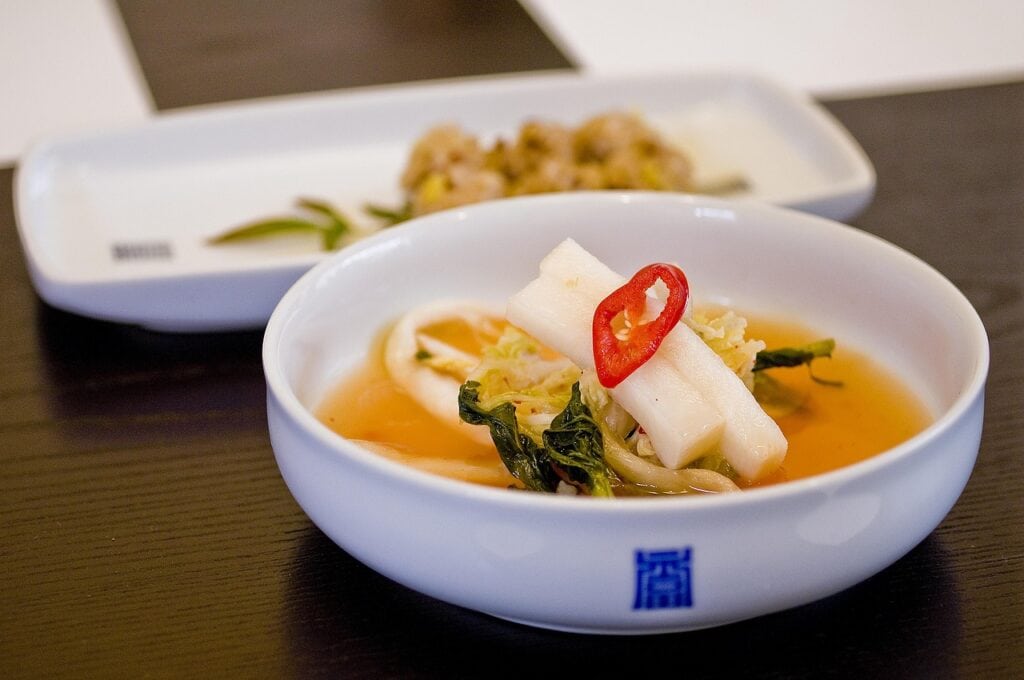
Dongchimi Kimchi
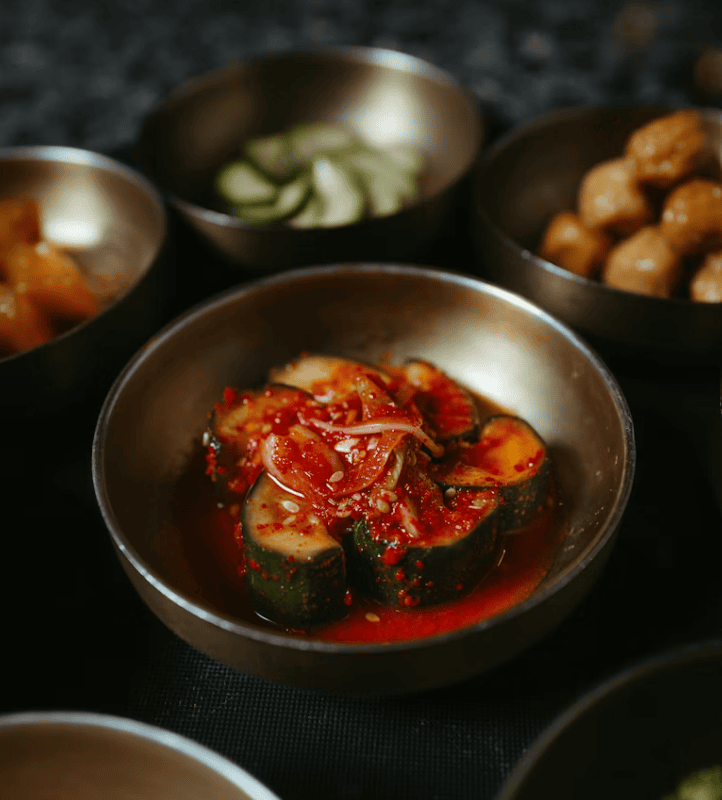
Cucumber Kimchi
Key Features
1. One of the World’s Top 5 Healthiest Foods
Did you know that Kimchi is scientifically proven to be one of the healthiest foods on the planet?
In 2006, the prestigious American health publication, “Health” magazine, officially named Kimchi as one of the World’s Top 5 Healthiest Foods. It stands proudly alongside other nutritional powerhouses:
- Spain: Olive Oil
- Japan: Natto
- Greece: Yogurt
- India: Lentils
- Korea: Kimchi
What makes Kimchi so special? The secret lies in the fermentation process. Kimchi is naturally loaded with probiotics (lactic acid bacteria), which play a crucial role in:
● Boosting the Immune System: Strengthening your body’s natural defenses.
● Improving Digestive Health: Promoting a healthy gut microbiome and aiding smooth digestion.
2. Regional Variations: A Tale of North and South
One of the most fascinating aspects of Kimchi is how its flavors and styles change depending on the region’s climate.
The Northern Regions (e.g., Pyeongan-do) In the cooler northern areas, Kimchi tends to be milder and less spicy. You’ll often find it served with more brine (soup-like consistency), giving it a refreshing and clean taste.
The Southern Regions (e.g., Gyeongsang-do and Jeolla-do) In the warmer south, Kimchi is prepared with a stronger and saltier seasoning to prevent it from spoiling in the heat. These regions are famous for their generous use of salted seafood (jeotgal), which creates a deep, bold, and savory flavor profile.
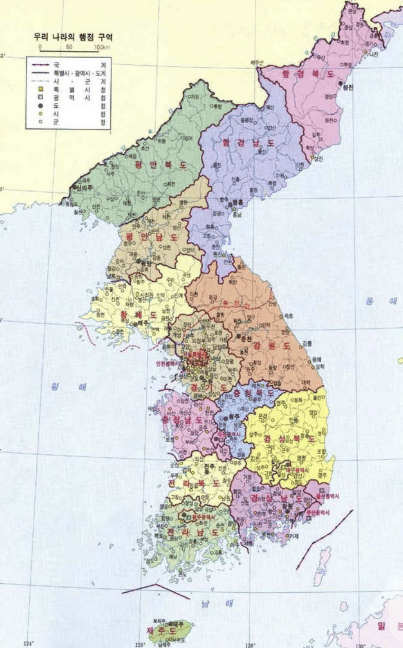
Korea Map
# Superfood #Probiotics #KoreanFood #HealthyEating #Koreanculture