
Introduction
Many people know Kimchi as a spicy fermented side dish, but it’s more than just food. It’s a 1,500-year-old heritage that represents the soul of Korean cuisine.
Kimchi is a traditional Korean fermented food made by salting various vegetables—such as Napa cabbage, radish, and cucumber—and seasoning them with a mixture of red chili powder, garlic, ginger, and fermented seafood (jeotgal).
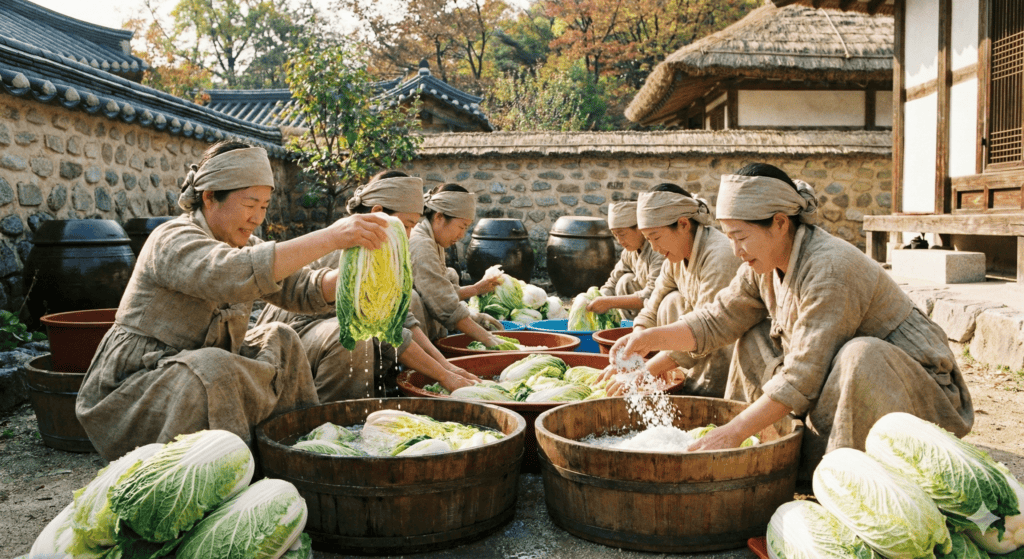
In 2013, ‘Kimjang’, the unique culture of making and sharing Kimchi, was inscribed as a UNESCO Intangible Cultural Heritage of Humanity, gaining global recognition for its significant cultural value.
1. Origin of Kimchi
1) Etymology
The origin of the word ‘Kimchi’ can be traced back to the Sino-Korean term ‘Chimchae (沈菜)’, which literally means ‘submerged vegetables’ (referring to vegetables pickled in brine). Over time, the pronunciation evolved through several stages: Chimchae → Timchae → Dimchae → Gimchae, before finally becoming the modern ‘Kimchi’.
2) Historical Background
Kimchi originated from the wisdom of ancient Koreans who needed a way to preserve vegetables for the harsh, cold winters. They developed a method of salting and storing vegetables to prevent spoilage. As the vegetables underwent fermentation, they developed unique flavors and enhanced nutritional properties, evolving into the Kimchi we enjoy today.
2. History of Kimchi
1) From the Three Kingdoms to the Goryeo Dynasty (57 BC – 1392 AD)
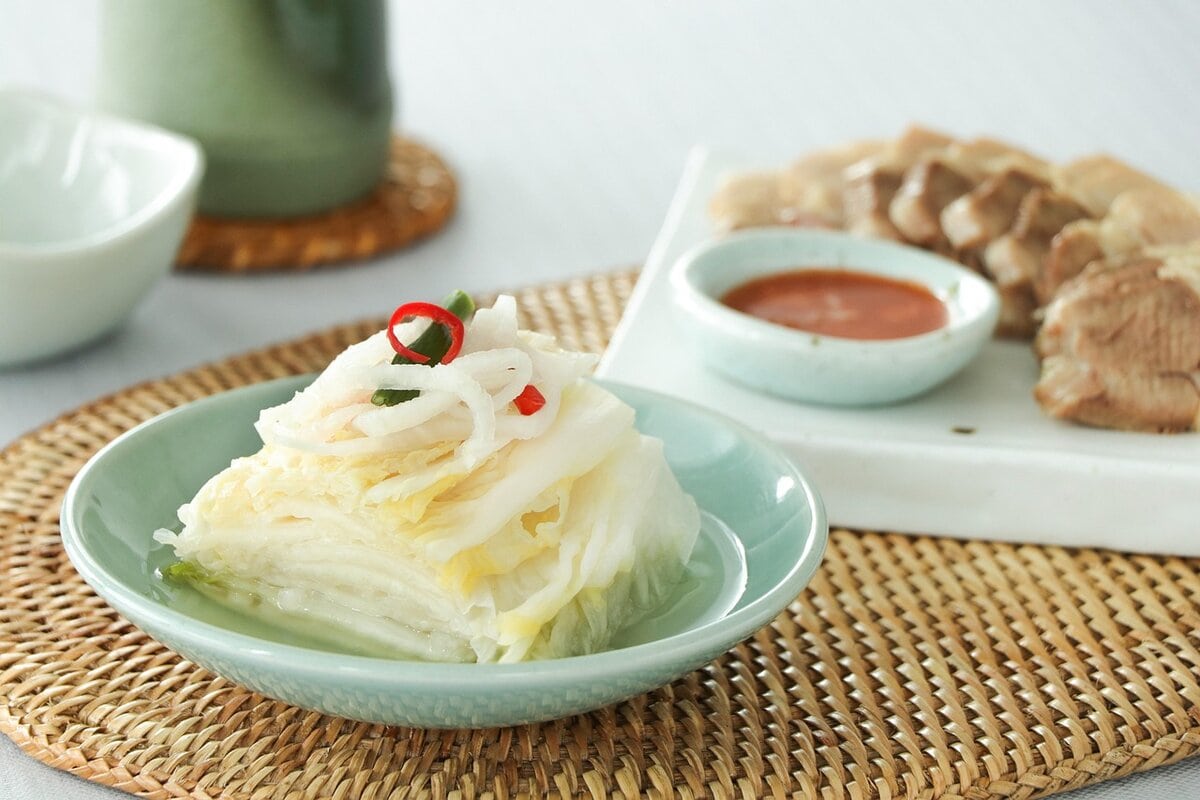
Early Kimchi looked very different from the spicy red version we know today. Initially, it was white and resembled pickles (Jangajji or Jjanji), preserved simply in salt, soy sauce, or soybean paste. During the Goryeo Dynasty, water-based Kimchi varieties made with radish—such as Dongchimi (radish water kimchi) and Nabak-kimchi (water kimchi with sliced radish and cabbage)—began to appear.
2) Mid-Joseon Dynasty (1392~1910) (A Major Turning Point)
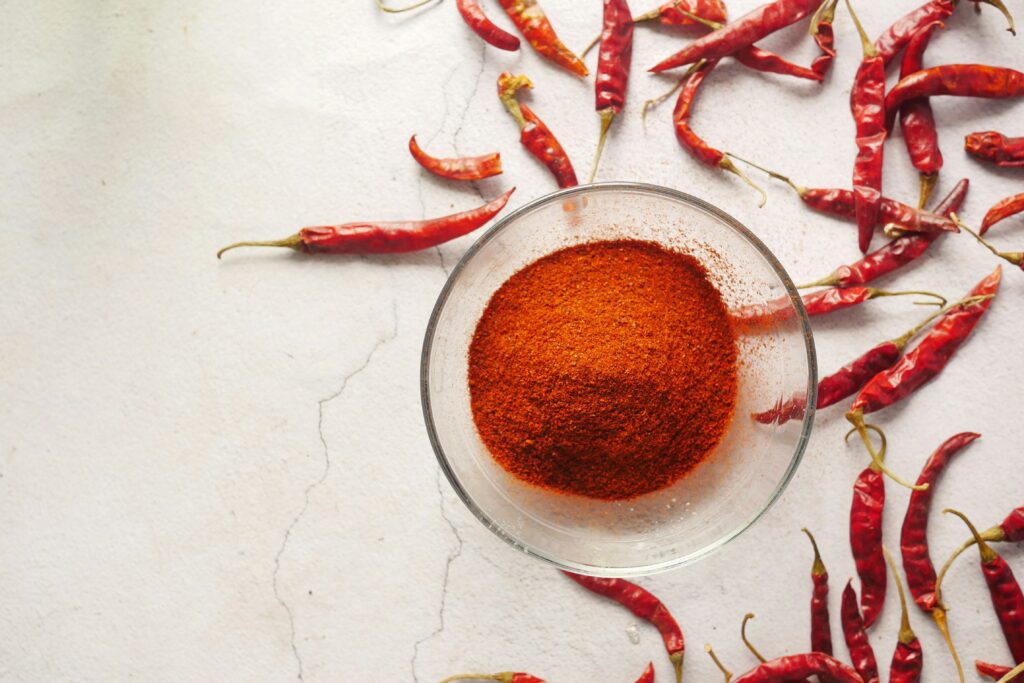
The most significant transformation occurred around the 18th century. After the Imjin War (1592~1598), chili peppers (Gochu) were introduced to Korea through Japan. As chili powder became a key ingredient, Kimchi finally acquired its signature red color and spicy flavor that the world loves today.
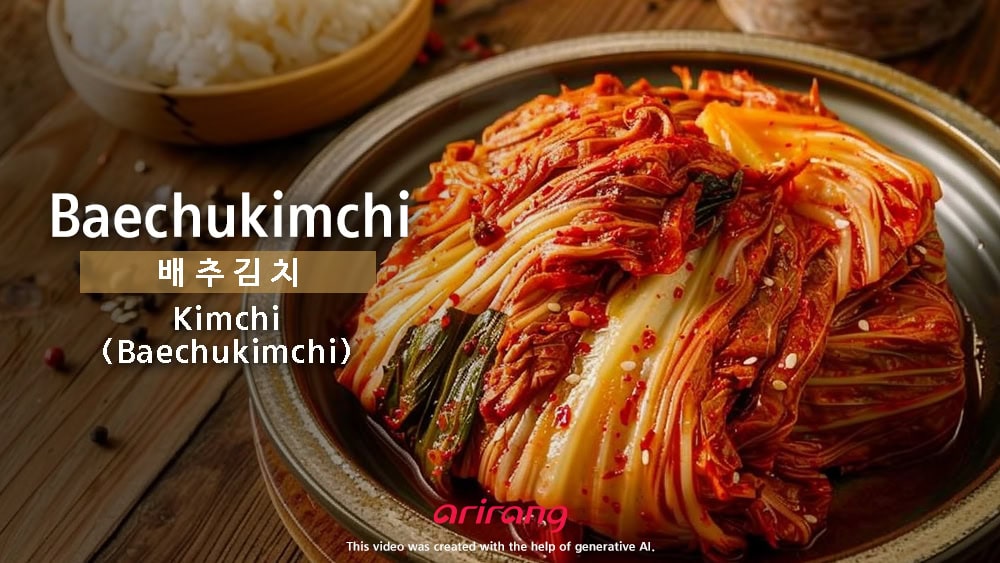
Source: Korea International Broadcasting Foundation via Gonggongnuri (KOGL Type 1)
#kimchi #kfood #healthyfood #kimjang # koreancuisine # koreanculture