
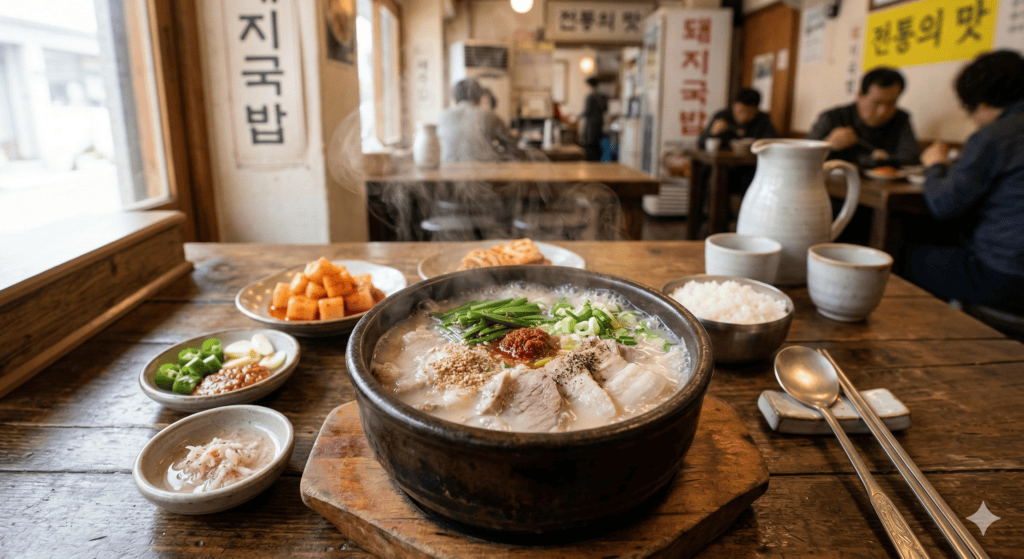
As you travel through Korea, no matter which neighborhood you visit, you will easily find people deeply focused on their meals in front of steaming earthenware bowls. This is the true soul food of Koreans: ‘Gukbap’ (hot soup with rice).
Warm Comfort: The Art of a Single Bowl For Koreans, Gukbap is much more than just “a single meal.” The moment you scoop up a big spoonful of rice soaked in the hot, boiling broth, it doesn’t just warm your body on a cold day—it fills the hunger of the soul. For office workers finishing a grueling day, it becomes a “companion on the way home” that washes away fatigue. For those who shared drinks the night before, it is the ultimate comfort food that gently soothes the stomach.
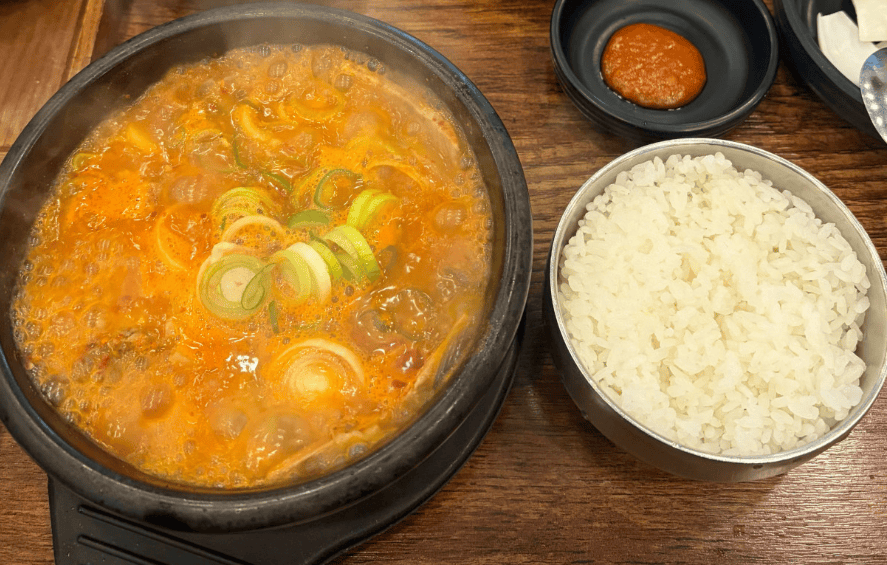
Where “Pali-Pali” Meets the “Art of Slowness” Gukbap is deeply connected to Korea’s “Pali-Pali” (hurry-hurry) culture. Within less than five minutes of ordering, a steaming earthenware bowl arrives at your table, making it one of the most efficient ways to get a hearty meal in a busy life. However, behind that lightning-fast service lies a “season of waiting”—hours or even days spent simmering bones and meat to perfection. In this sense, it is both the fastest meal and the most sincere form of “Slow Food.”
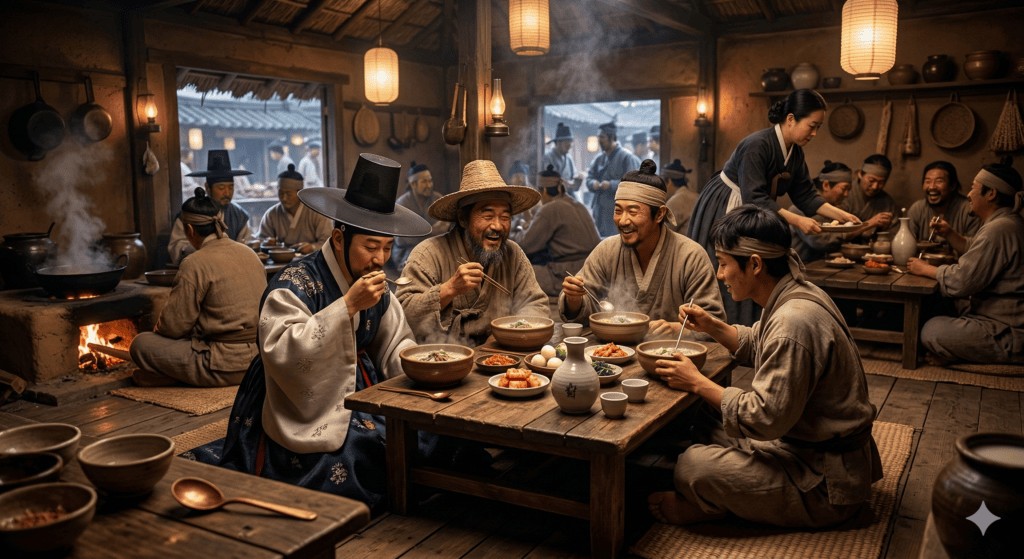
A Meal of Harmony Beyond Social Class The spirit of the Joseon Dynasty taverns (Jumak), where people of all social statuses sat together to eat, lives on in Gukbap today. While it may not be a fancy restaurant, the moment you step into a Gukbap joint, you find solo diners, friends, families, and colleagues all sharing a warm meal. It is a place of true connection.
1. History in a Bowl: Why Do Koreans Mix Their Rice in Soup?
On a Korean dining table, soup and rice are an inseparable pair. However, the birth of ‘Gukbap’—where the rice is completely submerged in the broth—holds the secret of Korea’s unique geographical environment and the practical wisdom of our ancestors.
1) Jumak: The Icon of Dining Out in the Joseon Dynasty
Gukbap is one of the oldest “dining out” menus in Korean history. In the Joseon Dynasty, Jumak (traditional taverns) were always found at bustling marketplaces or ferry terminals—the hubs of logistics. For travelers and Bobusang (itinerant merchants) who walked long distances, what they needed most was a “fast and hearty meal.” Gukbap, served by “Toryeom”—the process of warming cold rice by repeatedly pouring hot broth over it from a large simmering cauldron—was a much more efficient menu than today’s fast food.
2) “Tang” Culture: Filling Scarcity with Sharing
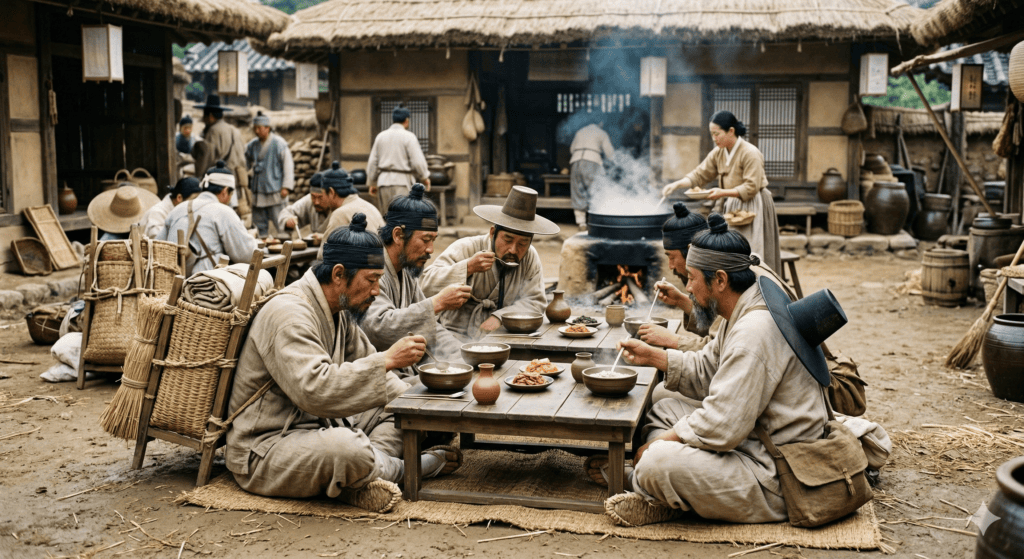
Historically, Korea was an agricultural society where meat was a rare and precious luxury. To feed an entire village or a large extended family with a small amount of meat, boiling it into a “Tang” (soup) with plenty of water and vegetables was much more practical than grilling it. By soaking rice in the broth, the grains would swell, making the meal appear more voluminous. In times of hunger, Gukbap was a “food of sharing”—a clever way to nourish as many people as possible with limited resources.
3) A New Kind of Gukbap Born from War and Refuge
The history of Gukbap is deeply intertwined with Korea’s painful modern history. A prime example is Busan’s “Dwaeji-gukbap” (Pork Soup with Rice). During the Korean War, refugees began simmering pork bones and offal—parts that were relatively easier to obtain—to create a hearty meal. This resourceful dish has since evolved into the iconic cuisine that represents Busan today. In this way, Gukbap symbolizes the unyielding resilience of the Korean people, who have sustained their lives even in the harshest of environments.
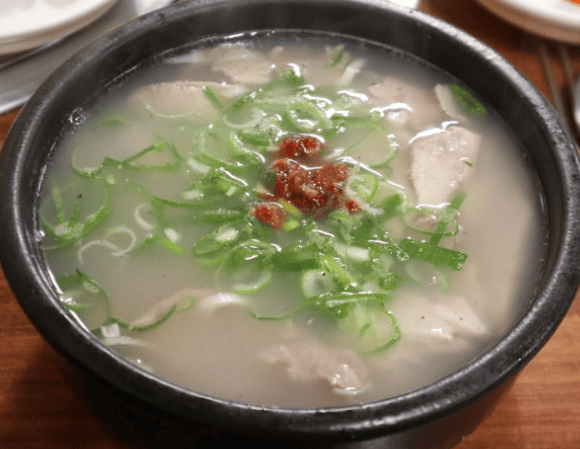
Dwaeji-gukbap
4) The Wisdom of Aiding Digestion and Absorption
From the perspective of traditional Korean medicine, eating rice soaked in soup also helps with digestion. The warm broth raises the stomach’s temperature, activating digestive enzymes, and softens coarse grains to make them easier to swallow. In Korea, where winters are harsh due to the four distinct seasons, this was the optimal way to maintain body temperature while replenishing energy. This is why Koreans often say, “Just have a spoonful of rice in warm, clear broth,” as a way of caring for someone who is unwell and struggling to eat.
2. Mapping Korea’s Soul Food: Regional Varieties and Ingredients
Korean Gukbap has its own unique character, shaped by local specialties, climate, and the way of life of the people who have lived on that land. Here are the representative Gukbap dishes you must try when traveling through Korea.
1) Seoul & Gyeonggi-do: Clean and Subtle Flavors with a Scholar’s Spirit
- Seolleongtang (Ox Bone Soup): Characterized by its milky-white broth, made by simmering ox bones and meat for hours. As a representative dish of Seoul’s common folk, it is seasoned simply with salt and green onions to highlight the natural, clean flavors of the ingredients.
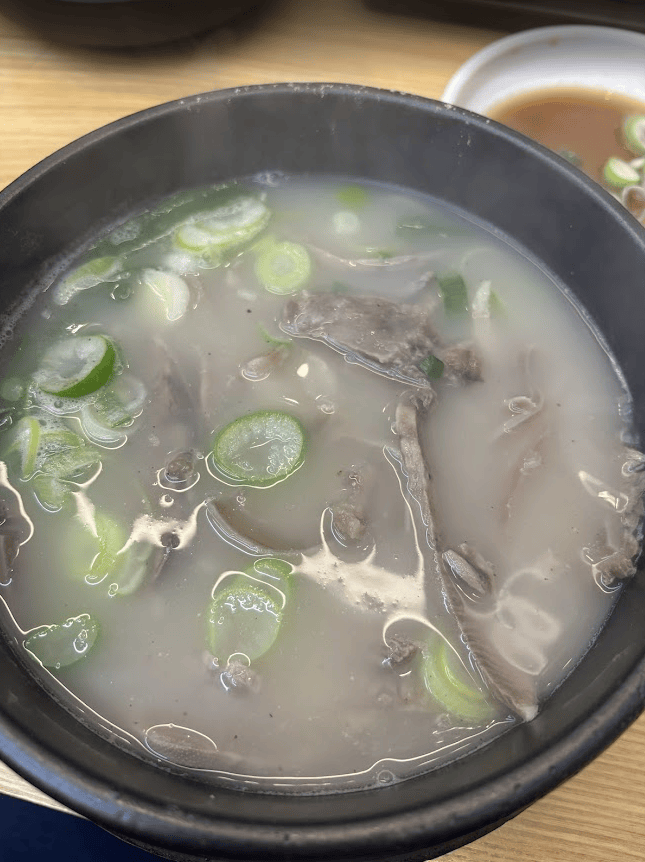
Seolleongtang
- Gomtang (Beef Bone Soup): Unlike Seolleongtang, Gomtang is primarily made from meat, resulting in a clearer broth with a deep, rich flavor. The Naju-style Gomtang is particularly famous and is highly recommended for those seeking a refined and hearty meal.
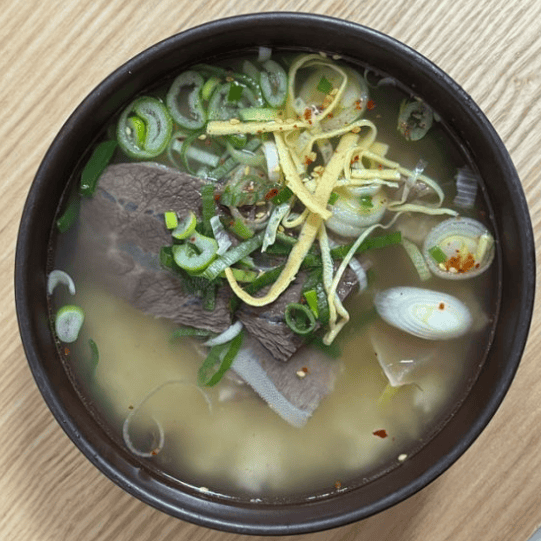
Naju-style Gomtang
2) Gyeongsang-do: Rich, Intense, and Energetic Flavors
- Busan Dwaeji-gukbap (Pork Soup): A dish filled with the sorrows and joys of refugees during the Korean War. It features a rich, deep broth made from pork bones, served with a generous amount of Buchu (Chives). It is a true soul food where you can feel the fiery and warm “Jeong” of the people of Busan.
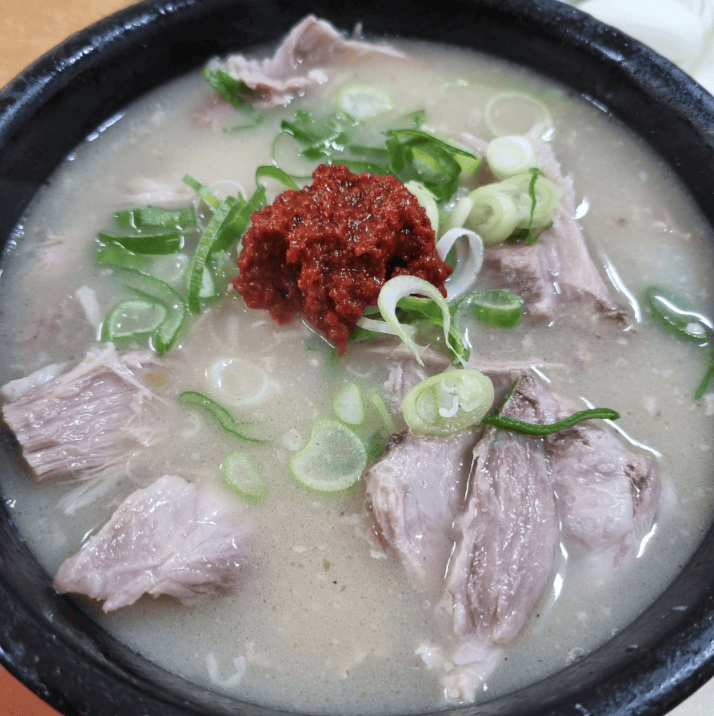
Busan Dwaeji-gukbap
- Daegu Ttaro-gukbap (Separate Soup and Rice): This dish features a spicy broth with beef and congealed ox blood (Seonji). Unlike other styles, the rice is served separately rather than already mixed in. It represents the essence of Gyeongsang-do’s signature “spicy and bold” flavor profile.
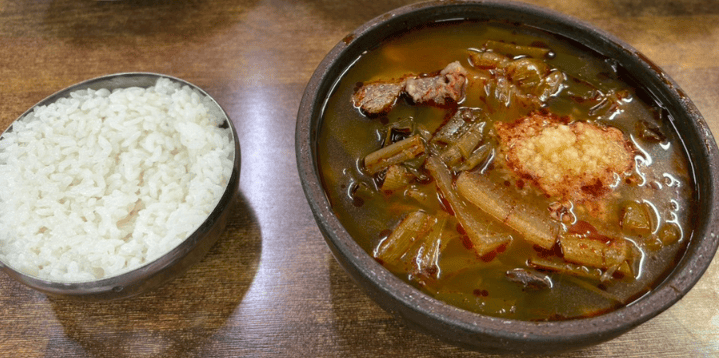
Daegu Ttaro-gukbap
3) Jeolla-do: Umami-Rich Flavors Crafted by Abundant Ingredients
- Jeonju Kongnamul-gukbap (Bean Sprout Soup): Often called the “Ultimate Hangover Cure.” It features crunchy bean sprouts grown in Jeonju’s clean water, served with a delicate poached egg (Suran) on the side. You can enjoy it in various styles, such as the boiling version (Kkeul-lye-nae-neun) or the traditional Toryeom style (repeatedly poured over with hot broth).
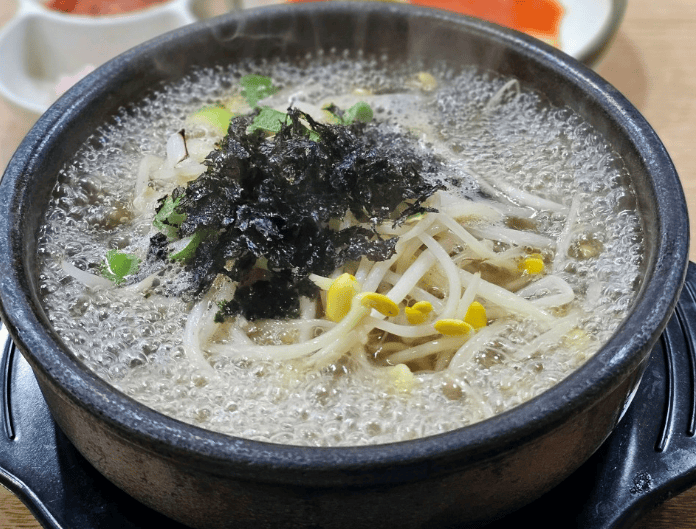
Kongnamul-gukbap
- Jangheung Maesaengi-gul-gukbap (Seaweed and Oyster Soup): A true winter delicacy that captures the essence of the ocean. The combination of silky Maesaengi (fine green seaweed) and fresh, plump oysters creates the ultimate refreshing flavor profile.
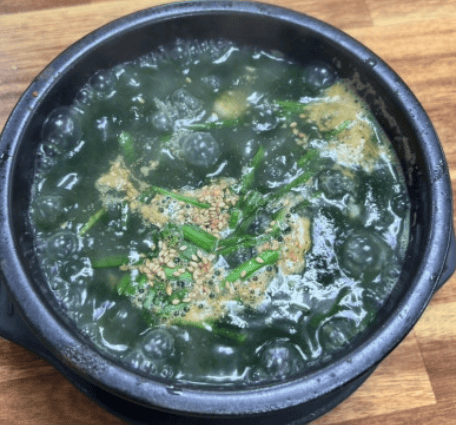
Maesaengi-gul-gukbap
4) Gangwon-do & Chungcheong-do: Flavors of Simplicity from the Mountains and Rivers
- Gangwon-do Hwangtae-gukbap (Dried Pollack Soup): This soup features Hwangtae, pollack that has been repeatedly frozen and thawed by the winter winds. Simmered with care, it provides a deeply comforting flavor that is exceptional for hangover relief.
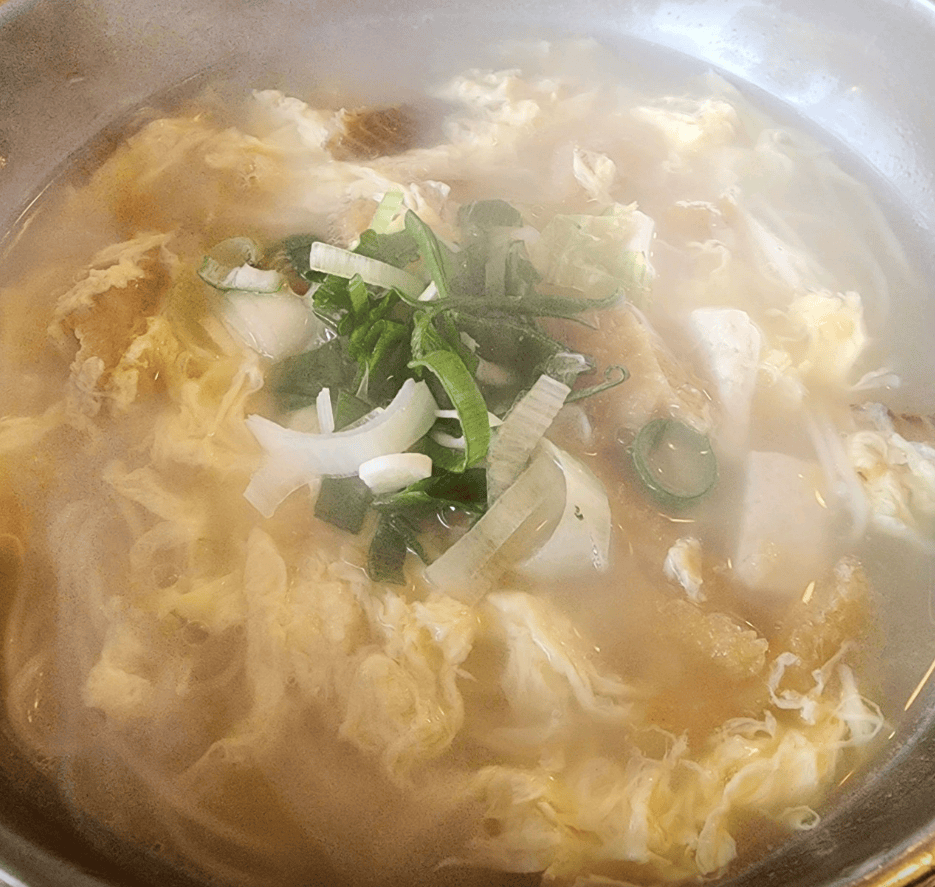
Hwangtae-gukbap
- Chungcheong-do Olgaengi-gukbap (Marsh Snail Soup): Made with fresh water snails (Olgaengi) harvested from clean rivers, this soup is boiled in a savory soybean paste (Doenjang) base. It is characterized by its mild, earthy, and healthy flavor that isn’t overly stimulating.
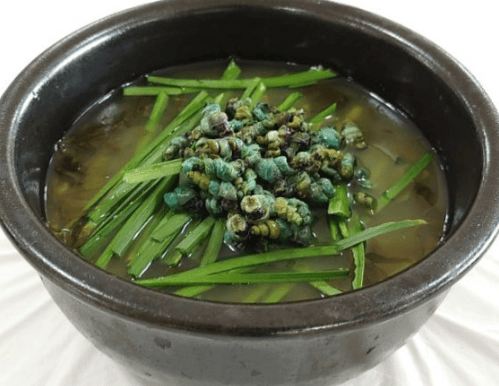
Olgaengi-gukbap
3. The 3-Step Routine: How to Eat Gukbap Like a Local
Gukbap is not a dish that you simply eat as it is served. It requires a process of finding your own ‘Golden Ratio’ by using the various seasonings and side dishes provided on the table. Here is the 3-step routine Koreans use to perfectly finish a bowl of Gukbap.
Step 1. The Art of Seasoning: Tasting the Broth
When your Gukbap arrives, first take a spoonful of the broth to taste its original flavor. Most authentic Gukbap is served with little to no seasoning.
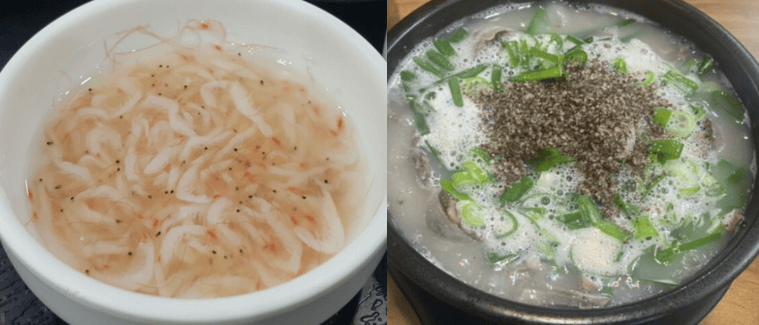
- Salted Shrimp (Saeu-jeot): Try seasoning with salted shrimp instead of plain salt. It enhances the “Umami” and even aids in digesting the protein.
- Perilla Powder (Deulkkae-garu): If you prefer a nutty and thick broth, add about two generous spoonfuls. (But be careful—it might get stuck in your teeth!)
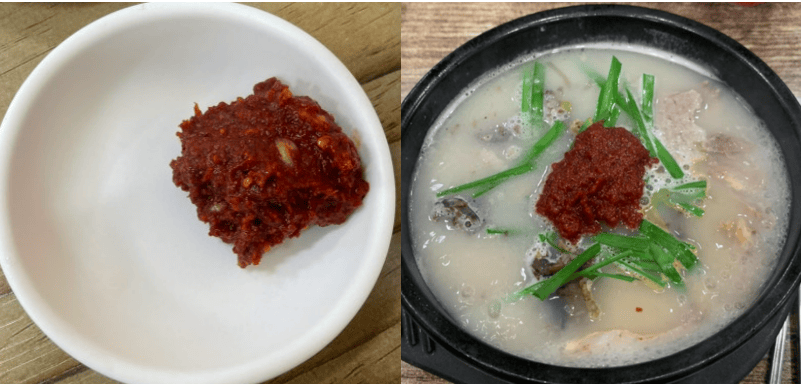
- Spicy Red Sauce (Dadaegi): Enjoy the clear broth first, then when you have about half left, stir in the Dadaegi to start “Round 2” with a spicy kick.
Step 2. The Timing of Chives and Noodles: The Texture Game
There are certain ingredients that must be added while the broth is still piping hot.
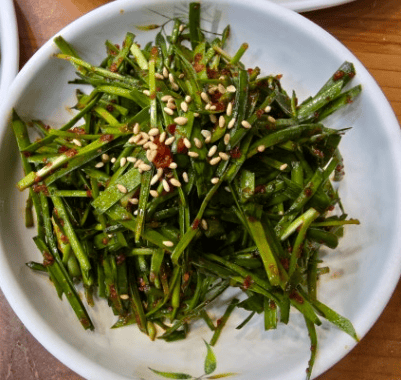
- Seasoned Chives (Buchu-muchim): Especially in Dwaeji-gukbap or Sundae-gukbap, add a generous handful of seasoned chives. The crunchy texture and pungent aroma perfectly neutralize any gaminess from the meat.
- Plain Noodles (Somyeon): If noodles are served on the side, dip them into the broth and enjoy them with the meat before adding your rice. (Noodles are commonly served with Seolleongtang or Gomtang.) Think of it as a delightful appetizer before the main event.
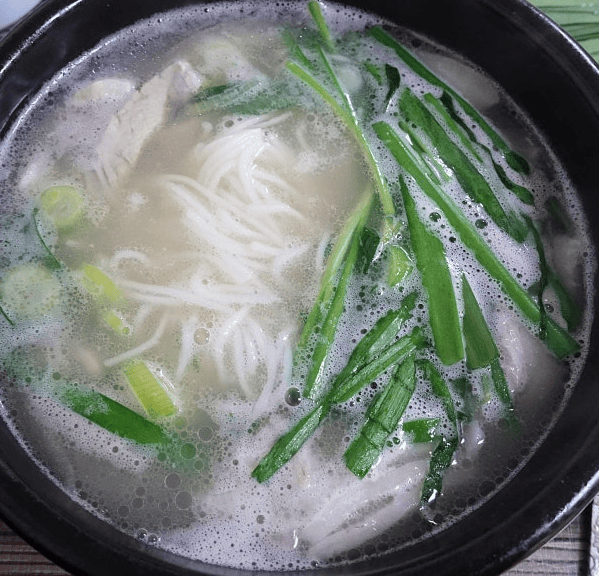
Step 3. The Magic of Radish Kimchi and “Tilting the Bowl”: The Finishing Touch
The true completion of Gukbap lies in its harmony with the side dishes.
- Kkakdugi and Geotjeori: Place a piece of well-ripened Kkakdugi (cubed radish kimchi) on a spoonful of rice and eat it in one bite. The crunch is everything. “Geotjeori is a fresh, non-fermented Kimchi made by seasoning unripened cabbage just before serving. Unlike aged Kimchi, it offers a refreshing crunch and a sweet-and-spicy flavor that pairs perfectly with deep, savory broths like Seolleongtang.
- The Radish Kimchi Juice Hack: Adding a bit of the sour-sweet juice from the Kkakdugi bowl into your broth when it’s almost gone is a secret tip from the pros. It adds a refreshing zing that stimulates your appetite.
- Tilting the Earthenware Bowl: As the broth reaches the bottom, tilt the bowl and rest it on the edge of the plastic tray. This is the ultimate expression of “Wanttuk” (Emptying the Entire Bowl)—a display of your will to savor every last drop.
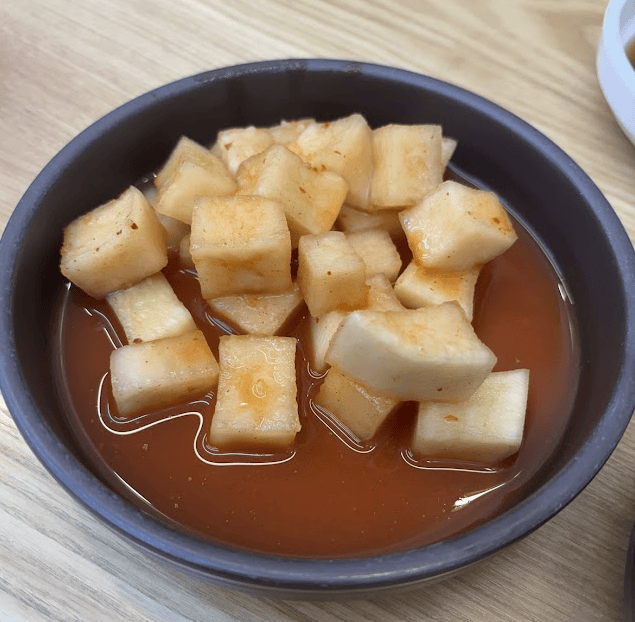
Kkakdugi
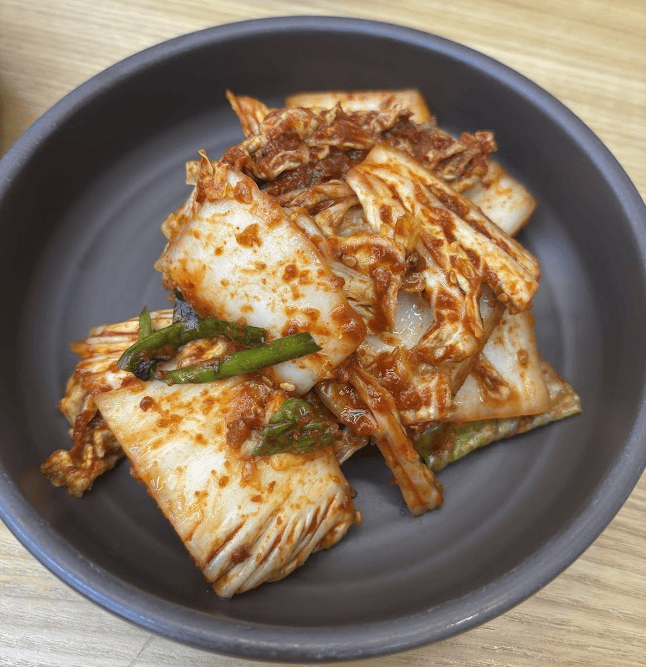
Geotjeori
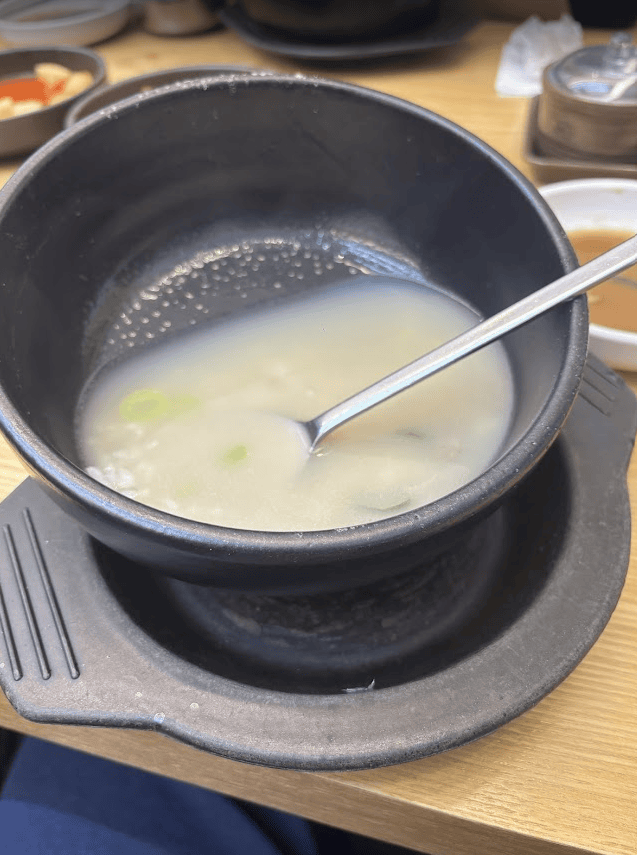
Wanttuk
💡 Tip for Beginners: “If you mix all your rice into the soup right away, the rice will quickly soak up the broth. For the best experience, I recommend enjoying the meat and soup separately for the first half, and then mixing in your rice for the second half!”
4. Top 3 “Entry-Level” Gukbap Dishes for Your Foreign Friends
Some Korean Gukbap dishes contain ingredients that might be a bit unfamiliar to international visitors, such as congealed blood (Seonji) or organs. That’s why we’ve prepared this list! Here are three ‘fail-proof’ Gukbap dishes for beginners that even your first-time friends will give a big thumbs up.
1) Galbi-tang (Beef Short Rib Soup)
- Why We Recommend It: This is the most popular and universally loved Gukbap menu with no polarizing ingredients.
- Key Features: It features large, tender beef short ribs in a clear, transparent broth. Since it shares a similar profile with Western-style beef stews or clear beef soups, there is absolutely no hesitation for first-timers. You’ll enjoy the fun of dipping the succulent rib meat into the sauce, and finding the hidden glass noodles (Dangmyeon) at the bottom of the bowl is a delightful treat.
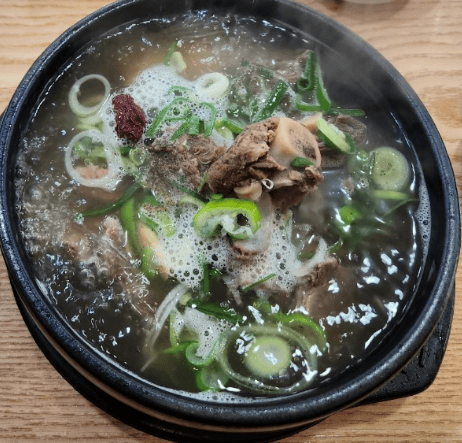
Galbi-tang
2) Yukgaejang (Spicy Shredded Beef Soup)
- Why We Recommend It: This is the perfect choice for friends who want to experience Korea’s signature “deliciously spicy” flavor.
- Key Features: A hearty, spicy soup packed with shredded beef, mountain herbs (Gosari), and plenty of scallions. While the vibrant red broth may look intimidatingly hot, the rich umami from the deep beef stock perfectly balances the spice. It is the gold standard for experiencing “Korean-style spiciness” in its most authentic form.
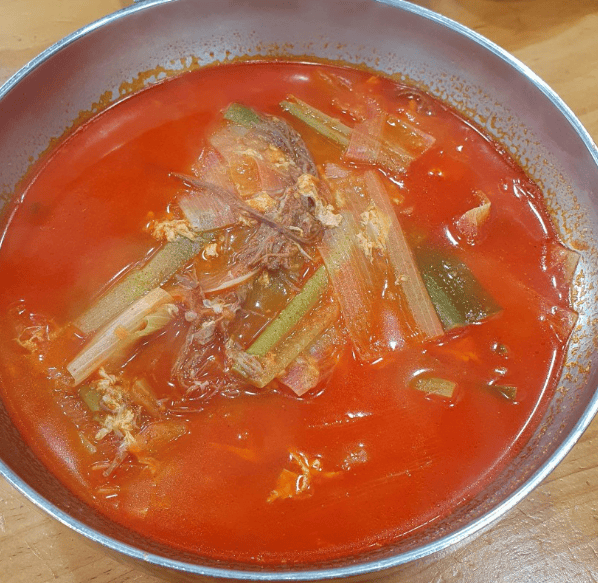
Yukgaejang
3) Kongnamul-gukbap (Soybean Sprout Soup)
- Why We Recommend It: This is highly recommended for friends who prefer a light, healthy meal or those who find meat-based broths a bit too heavy.
- Key Features: It is characterized by the crunchy texture of soybean sprouts and a clean, refreshing broth made from dried anchovies. Being low in calories, it makes for a perfect light breakfast. It’s also a fantastic way to introduce the unique Korean dining culture of enjoying a “Suran” (soft-poached egg) by adding a few spoonfuls of hot broth into the egg bowl before diving into the main soup.
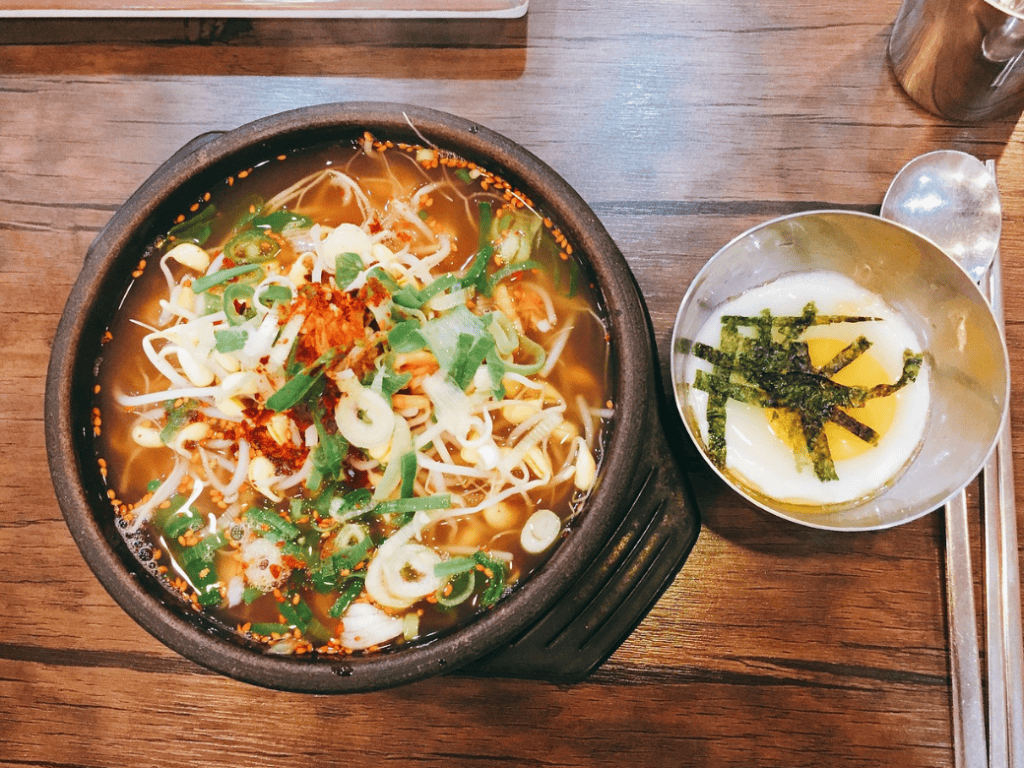
Kongnamul-gukbap
5. Conclusion: A Bowl of Gukbap, Overflowing with Korea’s “Jeong” (情)
“So far, we’ve explored everything from the history of Korean Gukbap to its regional varieties and the best ways to enjoy it. However, the final, most essential ingredient that completes a bowl of Gukbap is invisible to the eye. It is what Koreans call ‘Jeong’ (情)
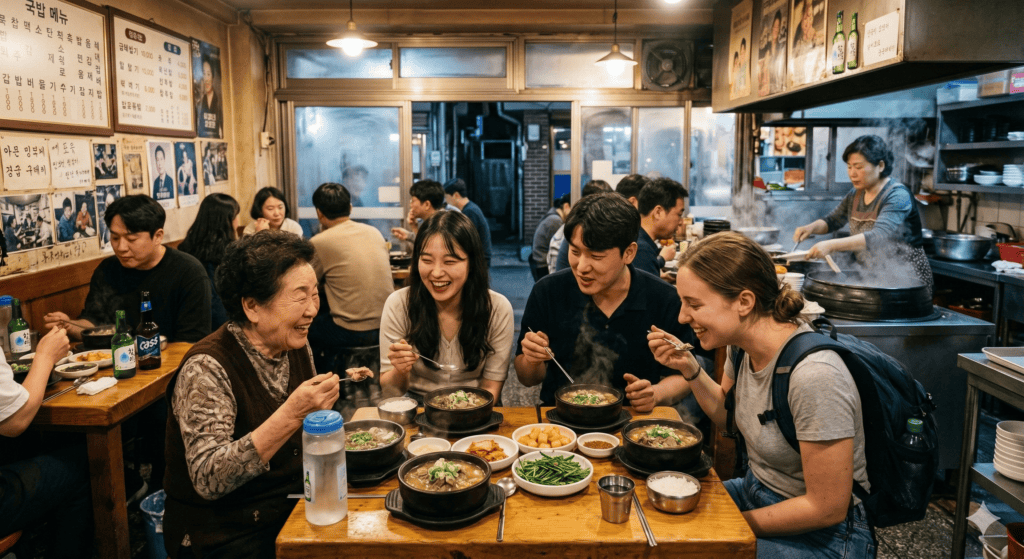
Warm Comfort Open to Everyone A Gukbap restaurant is the most welcoming place in Korea, with the lowest barrier to entry. Whether you are a student with a light wallet, an office worker in a sharp suit, or a solo foreign traveler, everyone is equal in front of a steaming earthenware bowl. A piece of meat casually tossed in by the owner, or a warm question like “Want some more broth?” transforms Gukbap from a mere meal into the “warmth shared between people.”
Filling the Heart by Emptying the Bowl At the moment of “Wanttuk”—when you finish the soup until the bottom of the bowl appears—you feel more than just a full stomach; you feel your soul’s hunger being satisfied. This is because the “spirit of sharing,” which once fed an entire village with just a small amount of meat during harsh times in history, continues to flow steadily within that earthenware bowl even today.
Complete Your Korean Journey with Gukbap If you want to experience the “real” Korea, visiting glamorous landmarks is great, but try finding an old Gukbap joint tucked away in a neighborhood alley. Behind the steam-fogged windows, amidst the lively chatter of people and the savory aroma wafting from the pots, lies the authentic life and heart (Jeong) of Koreans. Just like the solid warmth you feel after finishing a hot bowl of Gukbap, I hope your journey through Korea is filled with warm and lasting memories.
#FindYourKorea #KoreanSoulFood #Gukbap #Jeong #KoreanC#KFoodGuide #KoreanFoodHistory #GukbapMap #HowToEatKoreanFood #SeoulEats #KoreanSoupulture #KFood #VisitKorea