
The UNESCO Heritage ‘Arirang’ and National Treasure ‘Emille Bell’ Reveal the Secret of Korean Resilience
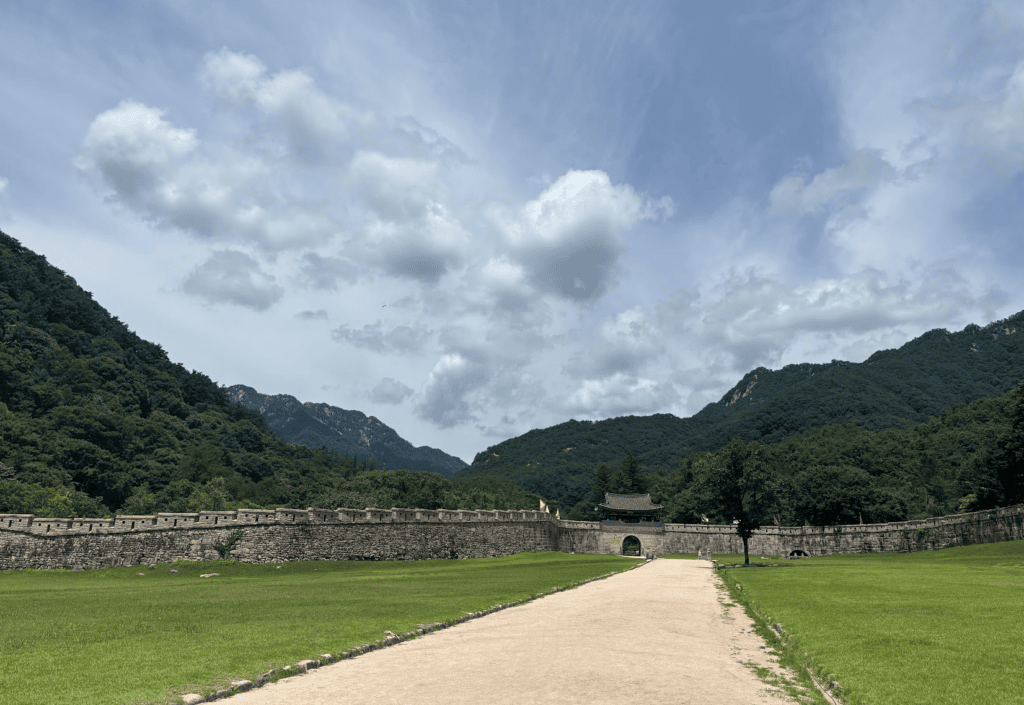
Mungyeong Saejae
BTS in 2026: A Quest for the Purest Korean Identity
“This breathtaking mountain path is ‘Mungyeongsaejae Pass,’ located in Gyeongsangbuk-do, South Korea. During the Joseon Dynasty (1392–1910), this was the most vital yet treacherous gateway to Hanyang (modern-day Seoul)—a historic crossing where countless souls journeyed to fulfill their dreams or endured the heavy burdens of life. As I walked this path myself, I felt a profound sense of trial and growth—the very same emotions that now resonate throughout BTS’s groundbreaking 2026 spring album, ‘ARIRANG.’
Returning as a full group after their long hiatus for military service, why did BTS choose ‘Arirang,’ the song that embodies the Korean soul? It is because they sought to weave their own narrative with the spirit of ‘Resilience’—the Korean strength to face and overcome steep ‘passes’ like Mungyeongsaejae rather than avoiding them. Critics are already hailing this album as ‘BTS’s most authentic Korean manifesto, successfully crossing the historic peaks of K-Pop.'”
“Analyzing this album, Rolling Stone remarked:
‘Through the metaphor of crossing the peaks of Arirang, BTS has sublimated the hiatus of its seven members not as a disconnection, but as a “pass” for growth. This serves as a perfect illustration of how the classical Korean sentiment of Arirang aligns with the modern concept of Resilience.’ — (Excerpt from Rolling Stone UK Review, March 20, 2026)“
This post provides an in-depth look at BTS’s ‘ARIRANG’ album. We examine how the members’ musical narrative meets the timeless heritage of Korea, specifically focusing on the scientific and artistic marvels of the thousand-year-old Emille Bell.
1. Modern Aesthetics Embedded in BTS’s ‘ARIRANG’
BTS’s 5th full-length album, ‘ARIRANG,’ is far more than a simple remake of a traditional folk song. Instead, they have extracted a ‘way of navigating the waves of life’ from the cultural asset of Arirang, translating it into the sophisticated languages of alternative pop and hip-hop.
The Will to Swim Through Life’s Waves: Title Track ‘Swim’
The title track ‘Swim,’ with lyrics co-written by leader RM, serves as the definitive heart of the album’s message. Rolling Stone UK analyzed the track, stating, “The energy created by the collision of raw beats and the haunting, sorrowful melody of the daegeum (traditional Korean bamboo flute) symbolizes BTS’s survival mechanism—never faltering before any adversity (pass).”
In a recent interview, member Jimin shared the inspiration behind the song: “Rather than fighting against the relentless waves of life, we wanted to express our determination to ‘Swim’ forward calmly, at our own pace.” This reflects a modern reinterpretation of the traditional Arirang sentiment of ‘crossing the pass,’ transforming it into a contemporary narrative of Resilience.
‘SWIM by BTS’ / Source: Official HYBE LABELS YouTube Channel
Spiritual Purification through a Thousand-Year Resonance: ‘No. 29’
The most radical point of the album ARIRANG is the 6th track, ‘No. 29.’ This track contains neither lyrics nor a melody. Instead, it features the actual striking sound of the Divine Bell of King Seongdeok (Emille Bell), National Treasure No. 29, flowing for 1 minute and 38 seconds. Included through a collaboration with the National Museum of Korea, this mystical sound serves as a bridge between the first and second halves of the album, acting as a ‘purification of the soul.’ Critics have praised this artistic choice, noting that washing away the noise and anguish of modern life with a sound from a thousand years ago adds deep meditative value to the album.
This bold endeavor began with an extraordinary meeting between Bang Si-hyuk, Chairman of HYBE, and Yu Hong-june, former Administrator of the Cultural Heritage Administration. Both sharing a deep affection for Korean cultural heritage, they finalized this project through a Memorandum of Understanding (MOU) between the National Museum of Korea, the National Museum Foundation of Korea, and HYBE in October of last year. Professor Yu reportedly urged Chairman Bang, saying, “Anyone who makes music must hear the sound of this bell.” Captivated by its resonance, Chairman Bang placed this sacred sound in the pivotal position of Track 6.
A Visual Feast of Korean Aesthetics
The album’s visual aesthetics are as overwhelming as its music. The design masterfully incorporates the flowing lines of the Bicheonsang (Flying Deities) and the intricate cloud patterns engraved on the Divine Bell of King Seongdeok. Of particular note is the album logo, which artfully combines the Korean consonants ‘ㅇㄹㄹ’ (A-Ri-Rang) with the Geongongamri (four trigrams) from the South Korean flag. This visual language powerfully declares their ambition: born from the fertile soil of Korea, they strive to become a sun that illuminates the entire world. In this way, ARIRANG is the essence of ‘K-Culture 2.0,’ proving that tradition is not an artifact trapped in a museum, but a vibrant source of inspiration for the trendiest modern art.
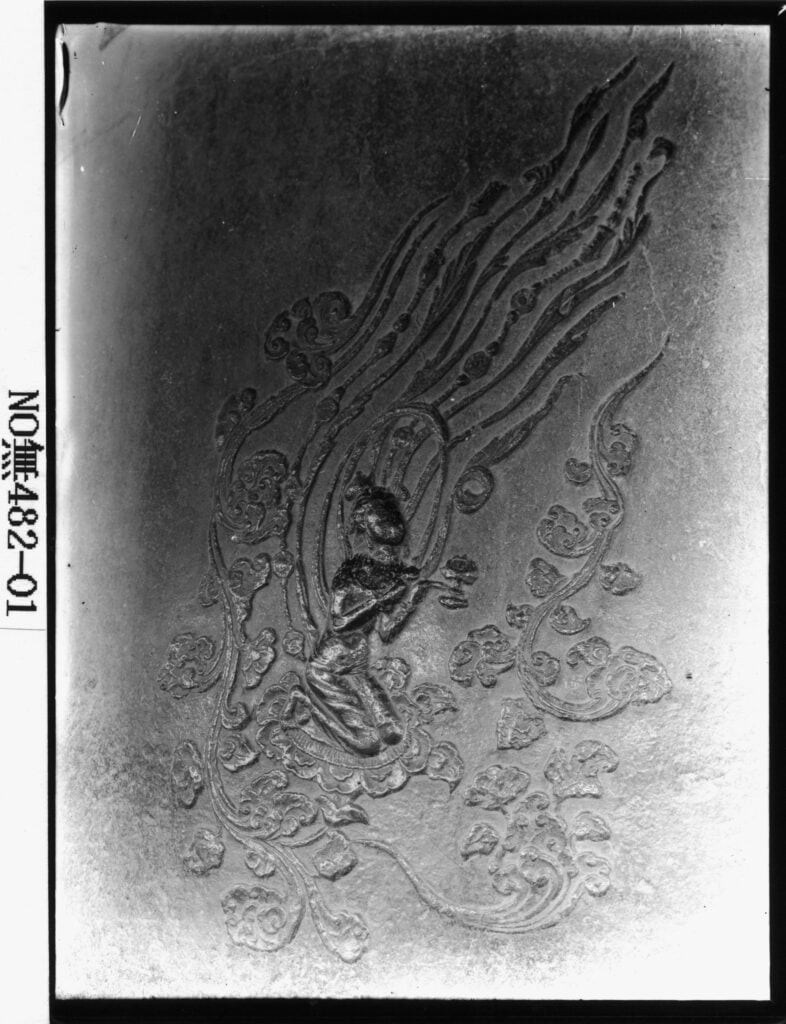
Divine Bell of King Seongdeok Flying Deva / Source: National Museum of Korea (KOGL Type 1)
This delicate carving is the ‘Bicheonsang’ (Flying Deity) engraved on the Divine Bell of King Seongdeok (National Treasure No. 29). These flowing curves, depicting a heavenly maiden or an offerant soaring through the skies, have been reborn with a modern sensibility throughout the design of BTS’s 2026 ‘ARIRANG’ album.
2. Arirang: The Korean DNA That Transforms Sorrow into Hope
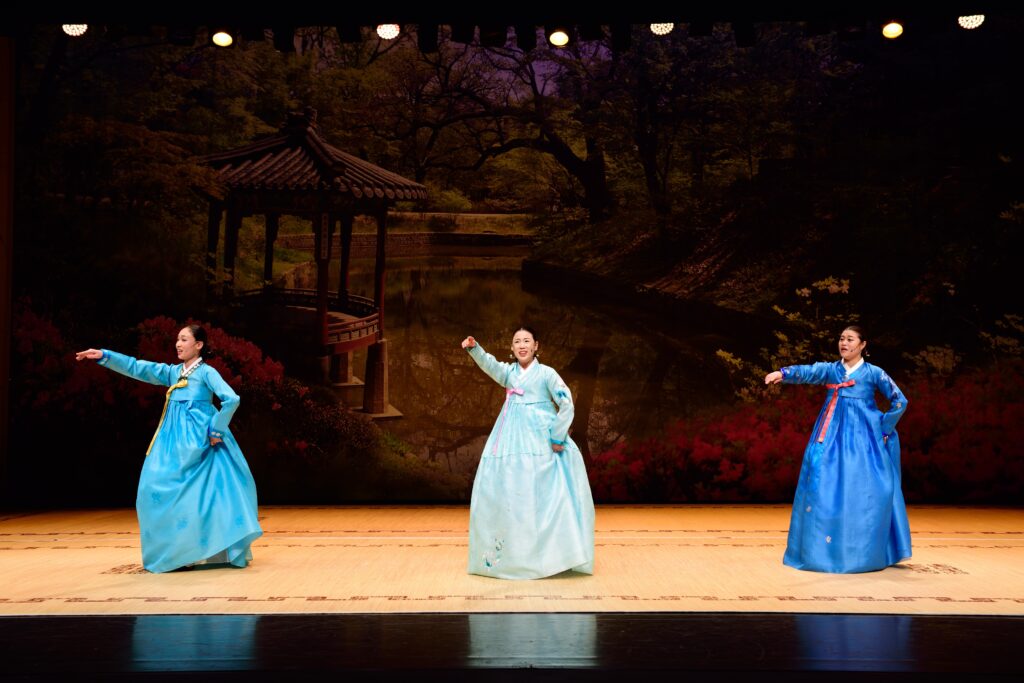
Arirang Performance / Source: National Gugak Center Archive (KOGL Type 1)
Arirang: More Than Just a Song, It’s the Soul of a Nation
The title ‘Arirang,’ chosen by BTS for their latest album, carries a significance that transcends music. For Koreans, Arirang is both the first lullaby heard at birth and the spiritual anthem that accompanies one until their final moments. Inscribed on the UNESCO Representative List of the Intangible Cultural Heritage of Humanity in 2012, Arirang has no single composer; instead, it has been passed down through oral tradition for thousands of years, shaping the very core of Korean identity.
The Wisdom to Cross Life’s Barriers: The Metaphor of the ‘Pass’ (Gogae)
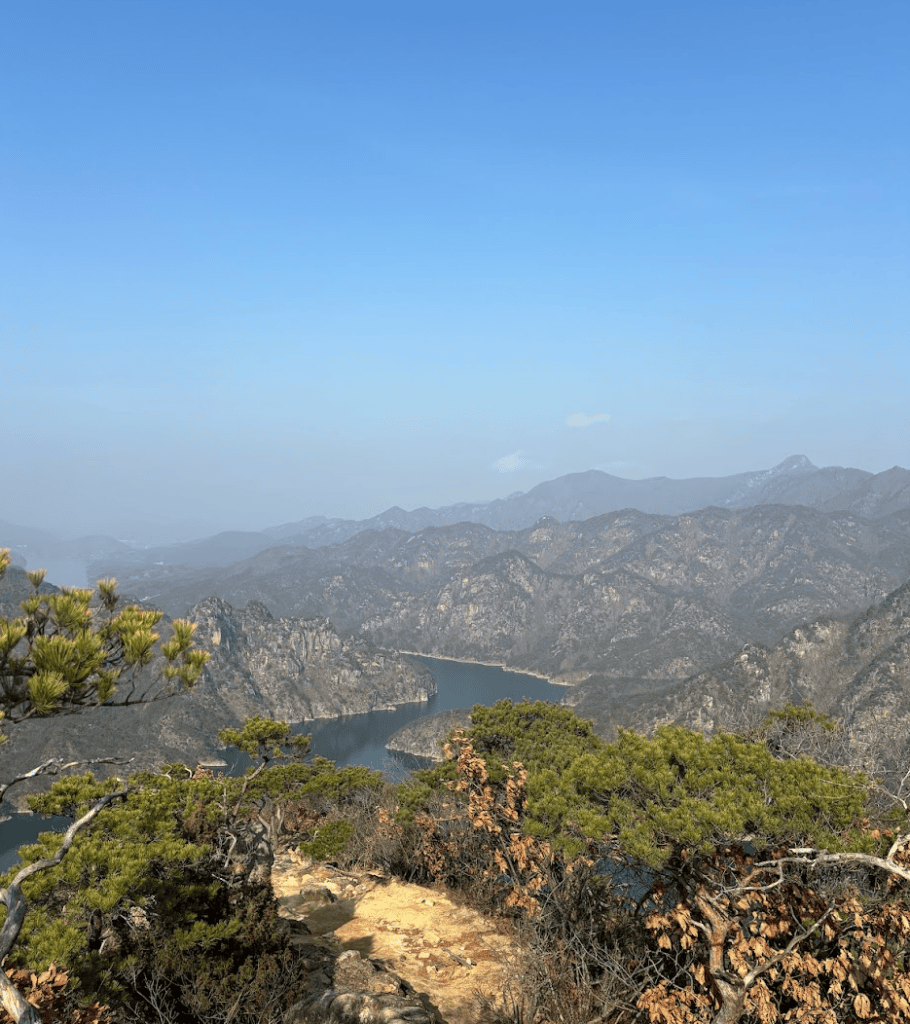
The most recurring keyword in the lyrics of Arirang is the ‘Pass’ (Gogae). In Korea’s mountainous landscape, a pass represents not only a physical obstacle but also the unavoidable trials we encounter in life. However, Koreans did not despair or turn back when faced with these steep ridges. Instead, they transformed that pain into song, singing their way until they finally reached the other side.

Deep within the layered mountain ranges of Jeongseon, Gangwon-do—the birthplace of Arirang—these winding passes were more than just physical obstacles. To Koreans, they represented both the trials of life and the very process of growth achieved by crossing them.
The Aesthetic of ‘Overcoming’: The Pass of Military Service
This aesthetic of ‘Overcoming’ mirrors the significant hiatus BTS underwent during their mandatory military service over the past few years. As Rolling Stone analyzed, for BTS, the military was not a ‘stop’ in their career, but rather a necessary ‘Arirang Pass’ they had to cross to reach even greater heights. By traversing this steep ridge, they solidified their identity more firmly than ever, and the magnificent result of that journey is this very album.
Tragic Optimism: Sublimating ‘Han’ into ‘Heung’
The greatness of Arirang lies in a uniquely Korean emotional alchemy: the power to transform ‘Han’ (deep-seated sorrow) into ‘Heung’ (explosive joy). Koreans possess a spirit of ‘Tragic Optimism’—the resilience to never lose their song or dance even in the midst of profound grief. This spirit has blossomed into various regional versions of Arirang, each reflecting a distinct local color.
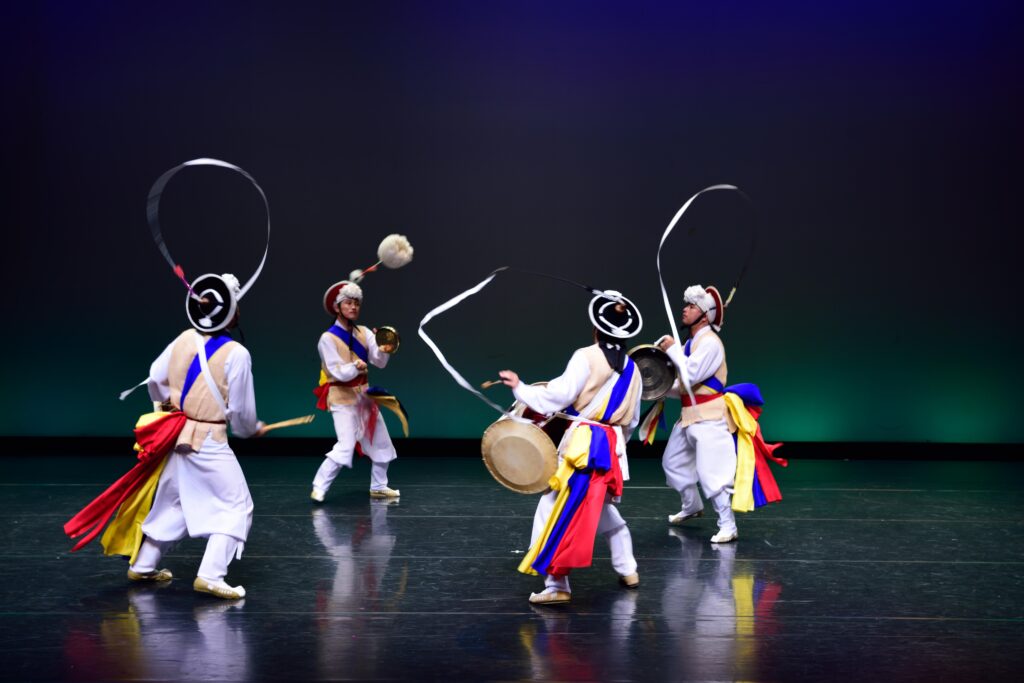
A Vibrant Samulnori Performance / Source: National Gugak Center Archive (KOGL Type 1)
Introducing Korea’s Most Iconic Arirang Variations
1) Jeongseon Arirang: The Soul of the Deep Mountains
Originating from the rugged, layered mountain ranges of Gangwon-do, Jeongseon Arirang carries a profoundly sorrowful yet deep resonance. Its slow, mournful melody reflects the secluded life of the mountains, capturing a sense of longing and the quiet strength of the people who lived there.
Source: ‘Jeongseon Arirang’ performed by Master Singer Kim Young-im

Jeongseon Location
2) Jindo Arirang: Sublimating Sorrow with Wit and Rhythm
Originating from the Jeolla-do region, Jindo Arirang features a uniquely earthy and upbeat melody that humorously unravels deep-seated sorrow. Its playful, rhythmic delivery transforms grief into a communal celebration, showcasing the distinctive wit and vibrant spirit of the Southern Korean people.
Source: KBS Special Program ‘Arirang House’ (2013) – Performed by National Gugak Center
3) Milyang Arirang: The Bold and Vigorous Spirit of Gyeongsang-do
Representing the Gyeongsang-do region, Milyang Arirang showcases a confident and fearless spirit through its brave, unstoppable rhythm. Unlike the mournful melodies of other regions, its cheerful and fast-paced beat reflects the proactive energy and resilient pride of the Korean people.
Source: KBS Music Stage – ‘Milyang Arirang’ performed by Master Singer Park Aeri
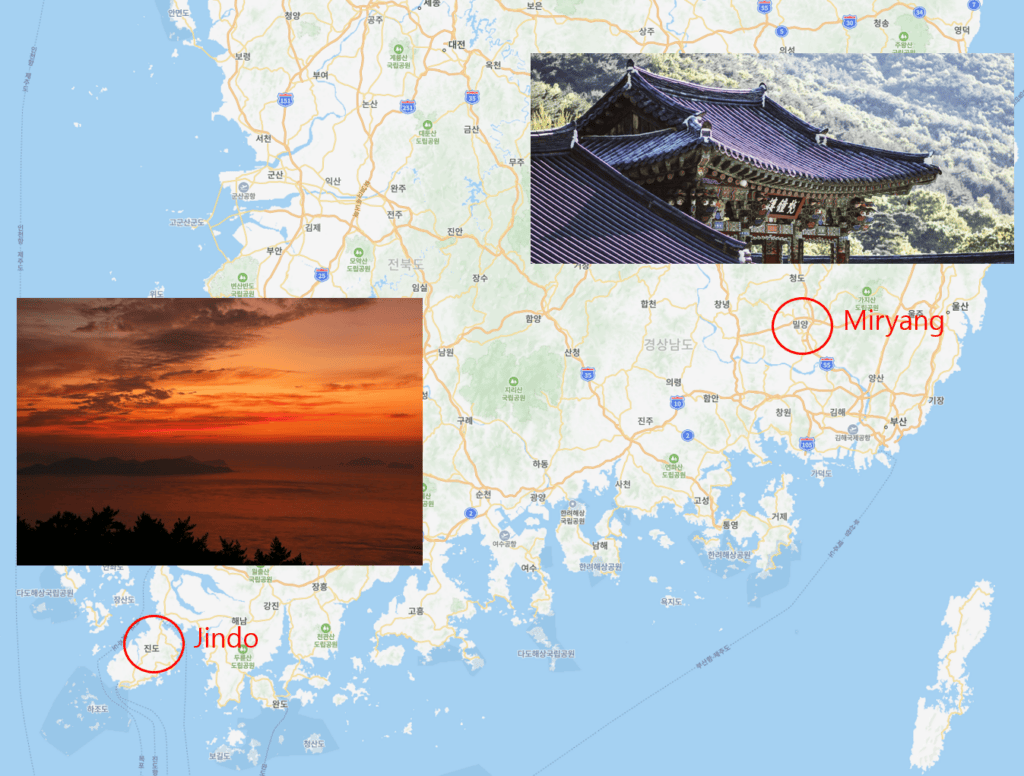
Jindo, Miryang Location
A Global Bridge of Solidarity: Arirang as a Universal Language
“As we have seen, these various melodies of Arirang have served as a powerful ‘social glue,’ binding local communities together through shared emotion. In this same spirit, BTS singing ‘Arirang’ alongside ARMY worldwide is more than just a musical performance; it is a profound message of communal comfort. It transcends languages and borders, inviting us all to face and overcome the ‘passes’ of life together as one global family.
3. The Divine Bell of King Seongdeok: A Masterpiece of Ancient Science and Eternal Beauty
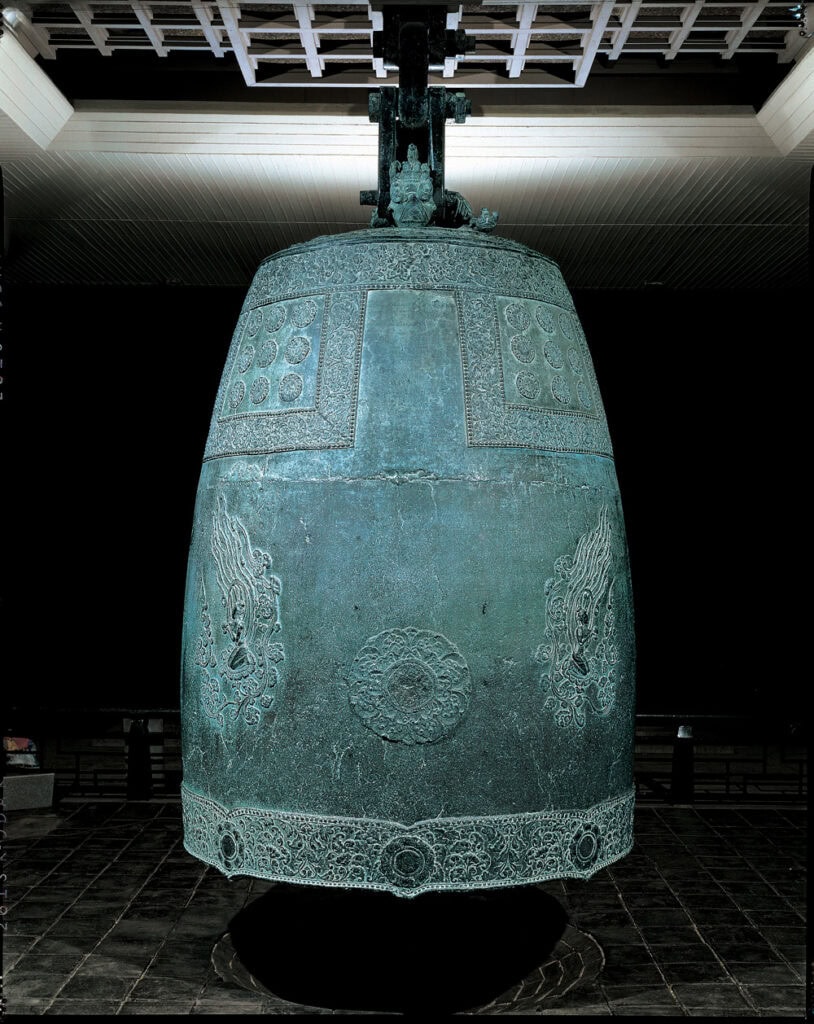
The Identity of Track ‘No. 29’: The Divine Bell of King Seongdeok
Among the tracks on BTS’s latest album, ‘No. 29’ stands out as uniquely ethereal and sublime. Its true identity is none other than National Treasure No. 29, the Divine Bell of King Seongdeok. Also famously known as the ‘Emille Bell,’ this colossal monument does not produce the sharp, short-lived clang typical of Western bells. Instead, it emits a low, profound resonance that rolls in like waves—a sound that has endured for over a thousand years. Why do scholars around the world hail this as the ‘Greatest Bell of the Orient’?
The Science of a Thousand Years: The Secret of ‘Beating’
The secret behind the mesmerizing sound of the Emille Bell lies in a highly advanced acoustic science known as ‘Beating’ (Maek-nori). This phenomenon occurs when two sounds of slightly different frequencies interfere with each other, causing the volume to repeatedly wax and wane. After being struck, the sound of the Emille Bell seems to fade away only to surge back again, leaving a lingering resonance for over three minutes—much like the rhythmic breathing of a living being.
Furthermore, a circular pit called ‘Myeong-dong’ (Sound Pipe) is carved into the ground directly beneath the bell. This structure acts as a resonance chamber, reflecting the sound waves off the floor and back into the bell. This ingenious engineering creates the deep, purified frequency we hear in the album. This sophisticated vibration, which remains difficult to fully replicate even with modern technology, offers a profound meditative healing experience to all who listen.
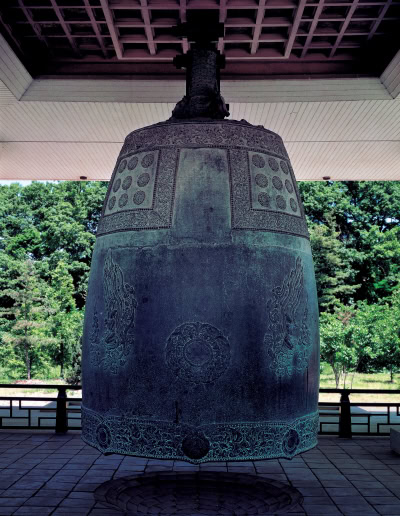
The Divine Bell of King Seongdeok (National Treasure No. 29)/ Source: Gyeongju National Museum (KOGL Type 1)
For more detailed history and high-resolution images of the Divine Bell of King Seongdeok, please visit the [National Cultural Heritage Portal of Korea].
🔊 You can listen to the English narration at the bottom of the website. It will provide you with a deeper understanding of the bell’s mystical sound and history.
Visual Wonder: The Flying Deities (Bicheonsang)
As introduced above, just as awe-inspiring as the sound is the exquisite carving of the Bicheonsang (Flying Deities) on the surface of the bell. Depicting celestial figures kneeling on lotus flowers, holding incense burners, and soaring into the sky atop flowing clouds, this design has become the core motif for BTS’s album artwork and official merchandise (a collaboration with MU:DS). Showing a linear elegance and dynamism distinct from Western angels, these carvings represent the very essence of Silla Dynasty metalwork.

Bicheonsang / Source: Cultural Heritage Administration of Korea (KOGL Type 1)
Silla Metalwork: The Aesthetics of Splendor and Restraint
In the 8th century, the metalworking technology of the Unified Silla Dynasty was among the finest in the world. Modern engineers are still left in awe of the technical mastery required to cast a massive 19-ton copper bell as flawlessly as the Divine Bell of King Seongdeok. Silla artisans pursued ornate decorative beauty while never losing sight of overall balance and restraint.
The inclusion of the ‘Eum-tong’ (Sound Pipe) at the top of the bell to regulate its resonance is an ingenious wisdom found exclusively in Korean bells. In this way, the Emille Bell is the ultimate masterpiece of Silla art—infusing cold metal with a warm soul and meticulous scientific precision.
Now, listen once more to the 6th track, ‘No. 29,’ and experience how these mystical principles of ancient science are woven into the sound.
No. 29 by BTS / Source: BTS ‘ARIRANG’ Album – Track 06 ‘No. 29’ (Official Audio)
King Seongdeok the Great: The Sage Ruler of Silla’s Golden Age
King Seongdeok (reigned 702–737) was the 33rd monarch of Unified Silla, a ruler who ushered in the most peaceful and prosperous ‘Golden Age’ in Silla’s history.
- A King Who Loved His People: He maintained an era of peace without war and embraced the displaced people of the former Goguryeo and Baekje kingdoms. He focused on stabilizing the lives of the common people, most notably by distributing land to them for the first time in history.
- The Flowering of Culture and Art: This was a period of rapid advancement in Buddhist art and scientific technology. To honor his father’s great achievements, King Gyeongdeok began the ambitious project of casting a monumental bell. This masterpiece was finally completed during the reign of his grandson, King Hyegong, and is known today as the Divine Bell of King Seongdeok (Emille Bell).
- Historical Significance: As the name ‘Seongdeok’ (聖德) literally translates to ‘Sacred Virtue,’ he remained a symbol of the perfect sage ruler, revered by the people of Silla long after his passing.
4. Conclusion: Tradition Lives in Our Playlists, Not Just Museums
BTS’s 5th studio album, ARIRANG, poses a vital question to us all: “Is tradition merely a fragment of the past, preserved behind the glass walls of a museum?”
Through the symbolic ‘passes’ of Arirang, BTS transformed their period of hiatus into a narrative of growth. Through the ‘beating’ resonance of the Emille Bell, they offered comfort to the weary souls of the modern world. By translating the most authentic Korean identity into the world’s most trendy musical language, this journey proves that the true value of tradition is revealed only when it permeates our daily lives and playlists as a living, breathing art form.
In the face of the many modern ‘passes’ we must all cross, the ‘Thousand-Year Resonance’ shared by BTS will continue to grant us the strength of unchanging resilience. What kind of Korean aesthetics did you discover through this album? This weekend, why not listen to BTS and personally experience the mountain paths of Mungyeongsaejae or the divine echoes of Gyeongju that I’ve introduced today?

FindYourKorea #BTS #ARIRANG #No29 #DivineBellofKingSeongdeok #EmilleBell #KoreanCulture #KpopHistory #NationalTreasure29 #SillaDynasty #BTSARMY #BTSAlbum #BTSArirang #MUDS #BTSGoods #BangtanSonyeondan #KpopAesthetics #RM #Jin #Suga #Jhope #Jimin #V #Jungkook #VisitKorea #Gyeongju #Mungyeongsaejae #KoreanArt #AncientScience #BuddhistArt #KoreanHeritage #TravelKorea #JeongseonArirang #CulturalTourism #Resilience #HealingSound #MeditativeMusic #TraditionMeetsModern #LivingTradition #SoulfulJourney #KoreanAesthetics #PlaylistEssentials